Colón, Panama
- 76,643 people
- 3 places to visit
- 9.3593, -79.8999
Places to Visit (3)
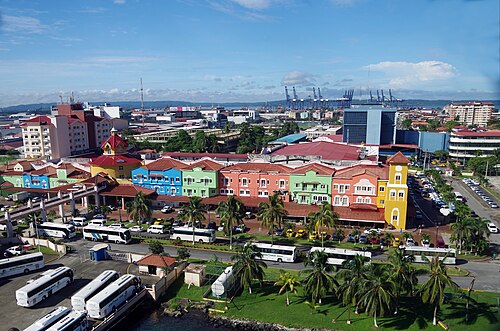
Colón is a vibrant city located on the Caribbean coast of Panama, approximately 80 kilometers north of the capital, Panama City. Founded in 1850, Colón was originally established as the terminus of the Panama Railway, which connected the Atlantic and Pacific Oceans and played a critical role in the construction of the Panama Canal. Today, Colón serves as a pivotal maritime hub, benefiting from its strategic location and proximity to the canal. The city's port is among the busiest in Latin America, facilitating significant international trade and logistics operations. With a population of around 200,000 residents, Colón is characterized by its multicultural atmosphere, rooted in diverse communities primarily comprising Afro-Panamanian, indigenous, and Asian descendants.
The city is also known for its historical significance and architectural heritage, with various colonial buildings and structures dating back to the early 20th century. Landmarks include the Colón Free Trade Zone, one of the largest in the world, which offers tax exemptions and incentives for businesses and attracts numerous international companies. While the free zone has bolstered the city's economy, Colón faces challenges such as high crime rates and poverty. Efforts are underway by both government and community organizations to revitalize the area through social programs, infrastructure improvements, and urban development projects. As these initiatives progress, Colón aims to enhance its image and quality of life for its residents while maintaining its role as a vital economic center. The city's unique blend of history, commerce, and cultural diversity makes it a noteworthy destination in Panama.
Facts about Colón
- Colón is the second-largest city in Panama, located on the Caribbean coast, distinguished for its role as a significant port and trading hub.
- The city was named in honor of Christopher Columbus (Cristóbal Colón in Spanish) and was founded in the mid-19th century to serve as a port for the California Gold Rush.
- Colón is home to the Colón Free Zone, the largest free trade zone in the Americas, facilitating international trade and commerce.
- The historic Fort San Lorenzo, near Colón, was built in the late 16th century and is a UNESCO World Heritage Site recognized for its role in defending the Spanish trade route.
- The city features the beautiful Gatun Locks, part of the Panama Canal system, which is vital for shipping routes, making Colón an essential point in maritime logistics.
- Colón's vibrant Afro-Caribbean culture is reflected in its music, cuisine, and festivals, setting it apart from other cities in Panama which display a more mixed cultural heritage.
- The Panama Canal Railway, linking Colón to Panama City, was one of the first transcontinental railroads and is still in operation today.
- Colón played a significant role during the California Gold Rush as it served as a departure point for those heading to the west coast of the United States.
- Unlike many cities in Panama, Colón is known for its distinct architecture, featuring a blend of Caribbean and colonial styles, influenced by its historical trade status.
- The annual Colón Carnival is one of the most famous cultural events in the area, showcasing local traditions, music, and vibrant parades that celebrate the city's unique heritage.