Comalcalco, Mexico
- 41,458 people
- 3 places to visit
- 18.2612, -93.2217
Places to Visit (3)
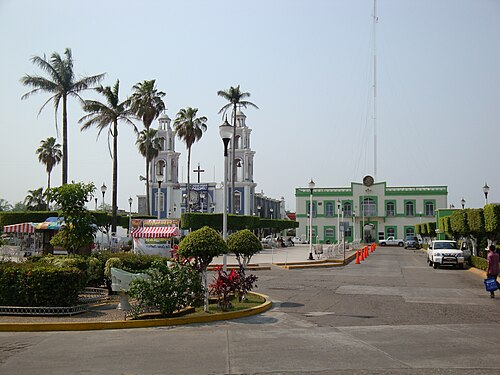
Comalcalco is a vibrant city located in the state of Tabasco, Mexico, distinct for its rich cultural heritage and lush natural surroundings. The city is part of the Comalcalco municipality, situated approximately 50 kilometers northwest of Villahermosa, the state capital. With a population of around 40,000, Comalcalco serves as an important commercial and agricultural hub in the region. The area is known for its fertile lands, making it a significant producer of cocoa, sugarcane, and various tropical fruits. The climate is characterized by a tropical rainforest atmosphere, featuring high humidity and significant rainfall, which supports the diverse flora and fauna that flourish there.
One of the city’s most notable historical features is its proximity to the ancient Maya ruins of Comalcalco, which are unique because they are constructed from fired bricks rather than the typical limestone used in other Maya cities. This archaeological site is significant as it provides insights into the architectural innovations of the Maya civilization and showcases various platforms, temples, and inscriptions that date back to the late classical period. The site was also a vital trading center and reflects the cultural exchange between the Maya and other Mesoamerican civilizations. In addition to its archaeological significance, Comalcalco is known for its vibrant local traditions, such as the festival of Santa María, which draws visitors to experience colorful parades, music, and dances that celebrate the community's heritage. These cultural elements, combined with the city's warm hospitality and picturesque landscapes, make Comalcalco a fascinating destination for both tourists and scholars interested in the rich tapestry of Mexican history and culture.
Facts about Comalcalco
- Comalcalco is home to the only archaeological site in Mexico where the ancient Mayans used bricks made of clay instead of stone for their construction, highlighting a unique aspect of Mayan architecture.
- The city is known for the Comalcalco archaeological zone, which includes the remains of temples, pyramids, and residential buildings, providing a glimpse into the civilization that thrived there over a thousand years ago.
- Comalcalco produces a distinct flavor of chocolate due to its cultivation of cacao, making it an important region for chocolate production in Mexico.
- The city hosts the Festival de la Cerveza Artesanal (Craft Beer Festival), celebrating local breweries and promoting the craft beer industry in a region more famous for its traditional beverages.
- Comalcalco's Catedral de San Jose, completed in the 19th century, features a unique blend of architectural styles, including Baroque and Neoclassical elements, distinguishing it from other cathedrals in Mexico.
- The town is located in the state of Tabasco, which is known for its lush rainforests and biodiversity, offering unique eco-tourism opportunities unlike many other Mexican towns.
- Comalcalco's rich history is not only pre-Columbian but also includes colonial influences, making it a fusion of various cultural legacies that contribute to its unique character.
- Annually, the city celebrates the Fiesta de la Virgen de la Asunción, which draws visitors from various regions and showcases traditional music, dance, and religious ceremonies.
- The region around Comalcalco is characterized by its extensive mango orchards, and the city is recognized for producing some of the sweetest varieties in the country.
- Comalcalco is often referred to as the 'City of the Mayan Bricks' due to its historical significance in showcasing a different construction method compared to other Mayan cities.