Comillas, Spain
- 22,721 people
- 40.3935, -3.712
No places available for this city.
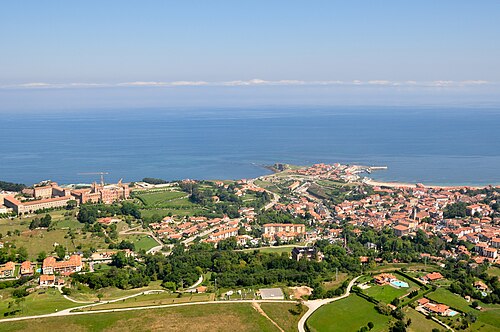
Comillas is a picturesque coastal town located in the Cantabria region of northern Spain. Nestled along the Bay of Biscay, it has a population of approximately 2,000 residents and serves as a charming destination for tourists attracted by its rich architectural heritage and stunning natural scenery. Originally established as a fishing village, Comillas began to flourish in the 19th century, particularly during the reign of Isabel II, when it became a favored summer retreat for the Spanish aristocracy. The town's beach, Playa de Comillas, is framed by lush green cliffs, and its inviting waters make it a popular spot for both relaxation and water sports.
One of the most striking features of Comillas is its eclectic architecture, which reflects a variety of styles, including Gothic, Modernisme, and Neoclassical influences. The most notable architectural gem is the Capricho de Gaudí, designed by the famous Catalan architect Antoni Gaudí in 1885, renowned for its whimsical design and colorful ceramic mosaics. Other significant landmarks include the Palacio de Sobrellano, a neo-Gothic palace built for the Marquis of Comillas, and the cemetery of Comillas, which is adorned with elaborate sculptures and offers stunning views of the coastline. The town is also home to the Pontifical University of Comillas, a prestigious institution that attracts students from across Spain and beyond, further enriching the cultural landscape of this quaint coastal gem.
The local cuisine complements Comillas’ cultural offerings, featuring fresh seafood and traditional dishes that showcase the flavors of Cantabria. The town hosts various festivals throughout the year, celebrating local traditions and heritage, including the Feast of the Assumption in August, where the community comes together for religious processions and festive activities. With its blend of natural beauty, architectural significance, and vibrant culture, Comillas continues to charm visitors and locals alike, making it a unique and captivating destination in northern Spain.
Facts about Comillas
- Comillas is known for its stunning Modernist architecture, particularly the work of architect Francisco de Cubas, highlighted in the Capricho de Gaudí, one of the few Gaudí buildings outside of Catalonia.
- The town is home to the Pontifical University of Comillas, established in 1890, which has a significant influence on higher education and Catholic studies in Spain.
- Comillas features the impressive Palacio de Sobrellano, a neo-gothic palace built in the late 19th century for the Marquis of Comillas, known for its striking architecture and beautiful gardens.
- The town was a popular summer retreat for Spanish nobility in the 19th century, which contributed to its rich architectural heritage and cultural significance.
- Comillas hosts the annual Festival of Comillas, which celebrates local culture with music, theater, and various artistic performances, attracting visitors from around the region.
- The nearby beach of Oyambre is known for its natural beauty and is part of the Oyambre Natural Park, offering a unique coastal environment that is less commercialized than many other Spanish beaches.
- Comillas is situated on the scenic northern coast of Spain, providing stunning views of the Cantabrian Sea and easy access to the Picos de Europa mountain range, making it a prime location for outdoor activities.
- The town is famous for its artisanal craftsmanship, especially in the production of traditional Cantabrian cheeses and handcrafted pottery, reflecting the region's cultural heritage.
- Comillas has a rich maritime history, once serving as an important port and fishing village, which has shaped its identity and contributed to its local economy.
- The town's small size and idyllic setting make it a hidden gem in Spain, often overshadowed by larger cities yet offering a unique charm and authenticity.