Compiègne, France
- 44,243 people
- 15 places to visit
- 49.4178, 2.8261
Places to Visit (15)
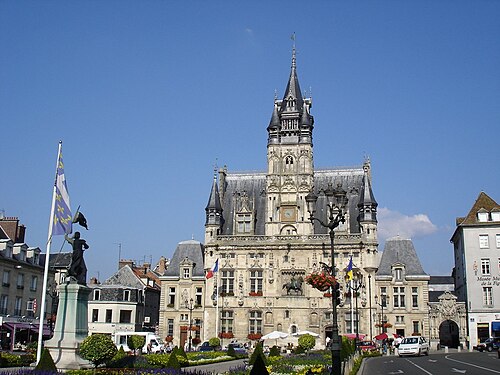
Compiègne is a city located in the northern part of France, within the Oise department in the Hauts-de-France region. Situated approximately 80 kilometers northeast of Paris, Compiègne is notably positioned at the confluence of the Aisne and Oise rivers. The history of Compiègne is rich and varied, dating back to ancient times. The city was established as a gallic settlement and later became an important location during the Roman Empire. Throughout the Middle Ages, Compiègne flourished as a royal town, frequently associated with significant historical events and figures, including being a favored residence of Charlemagne and later French monarchs.
One of the city's most remarkable features is the Palace of Compiègne, initially built in the 14th century and expanded significantly in the 18th century. The palace served as a location for royal ceremonies and gatherings and, later, as a summer retreat for French kings. Today, this historic site is a museum that showcases the opulence of the French monarchy, including exquisite art collections, tapestries, and furniture. Additionally, the surrounding forest of Compiègne is renowned for its beauty and extensive recreational opportunities, making it a popular destination for both locals and visitors.
Compiègne played a notable role during World War I and II, serving as a center for military activities. The Armistice of June 1940, which marked the surrender of France to Nazi Germany, was signed in the same railway carriage that held the 1918 armistice ending World War I. This historical connection has made Compiègne a symbol of both the triumphs and tragedies of France’s military history. The city today is a blend of its historic past and modern development, maintaining a vibrant community with educational institutions, shops, and cultural activities. With its beautiful architecture, parks, and historical significance, Compiègne continues to attract tourists seeking to explore its heritage and natural beauty.
Facts about Compiègne
- Compiègne is known for the Compiègne Forest, one of the largest forests in the Picardy region, which has been a royal hunting ground since the Middle Ages.
- The city is home to the historic Château de Compiègne, a former royal residence of French kings, notably King Louis XV and Emperor Napoleon III, showcasing exquisite architecture and rich history.
- Compiègne played a significant role in World War I, serving as the site of the signing of the armistice between Germany and the Allies on November 11, 1918, marking the end of the war.
- The town is also famous for the Compiègne agreement of 1940, where the Germans signed the capitulation of France during World War II in the same railway carriage as the 1918 armistice.
- Compiègne is celebrated for its annual 'Fête de la Cerise' (Cherry Festival), which highlights local cherries and traditional cuisine unique to the region.
- The city hosts the Musée de la Toile de Jouy, dedicated to the history of fabric printing and textiles, offering a unique glimpse into this art form in France.
- Compiègne’s town center features a distinctive mix of medieval and Renaissance architecture, including the St. Jacques Church from the 13th century.
- The city is a vital hub for the French automobile industry and is known for its proximity to several automotive manufacturing plants.
- Compiègne has a rich literary heritage and was a source of inspiration for renowned authors such as Jean Racine and Charles Péguy.
- The Place de l'Hôtel de Ville in Compiègne is notable for its beautiful Renaissance-style town hall, which has been a centerpiece of community life since the 18th century.