Concordia, Argentina
- 145,210 people
- 12 places to visit
- -31.3914, -58.0174
Places to Visit (12)
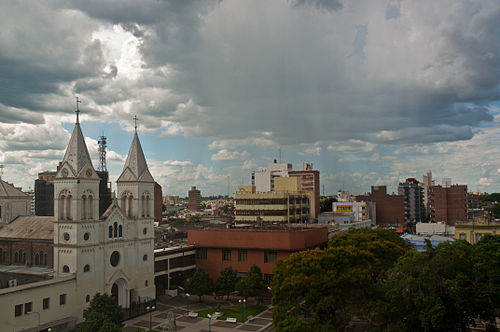
Concordia is a city located in the northeastern region of Argentina, serving as the capital of the Concordia Department in the province of Entre Ríos. Nestled on the eastern bank of the Uruguay River, it is positioned directly across from the Uruguayan city of Salto. The city is known for its strategic location, approximately 500 kilometers northwest of Buenos Aires, making it an important commercial and cultural hub in the region. Concordia has a population of around 150,000 residents, contributing to its vibrant community that thrives on agriculture, commerce, and tourism.
Concordia's economy is largely based on agriculture, with citrus fruits, rice, and tobacco being key products. The region's fertile soil and favorable climate allow for extensive cultivation, turning it into a significant agricultural center. In addition, the city benefits from its proximity to the Uruguay River, which facilitates trade and transport. Concordia is also renowned for its natural hot springs, particularly the Termas de Daymán, which attract both local and international tourists seeking relaxation and wellness. The city's cultural life is rich, with annual festivals celebrating local music, traditions, and gastronomy, reflecting the heritage and diversity of its residents. Landmarks such as the San Carlos Palace, built in the late 19th century, and the modern infrastructure of public spaces add to the city's historical and contemporary allure.
The climate in Concordia is classified as humid subtropical, featuring warm summers and mild winters, which supports its agricultural activities and enhances the quality of life for its inhabitants. The city is well-connected through an extensive road network, making it accessible from major urban centers. Additionally, Concordia hosts educational institutions and healthcare facilities, allowing it to serve as a regional center for education and medical services. As a growing city with a mix of historical significance and modern development, Concordia offers a unique glimpse into Argentine life, showcasing the blend of tradition and progress that characterizes the region.
Facts about Concordia
- Concordia is known as the 'National Capital of Citrus' due to its significant production of tangerines and oranges.
- The city is located on the western shore of the Uruguay River, directly across from Salto, Uruguay, making it a unique international border town.
- Concordia is home to several hot springs, with Termas de Concordia being a popular wellness destination, attracting visitors for its therapeutic waters.
- The city's historical significance includes being established in the mid-19th century and playing a pivotal role in the debates surrounding Argentina's federalism.
- Concordia hosts the 'National Festival of Fruit', celebrating local fruit production and attracting crowds with entertainment and cultural displays.
- It is known for having the largest carnival celebration in the province of Entre Ríos, featuring vibrant parades and elaborate costumes.
- Concordia has a rich cultural scene, with numerous theaters, art galleries, and music festivals that distinguish it from many other Argentine cities.
- The city features the stunning 'Salto Grande Dam', which is both a hydroelectric power station and a significant engineering achievement.
- Concordia was historically affected by disastrous floods, leading to extensive urban planning and disaster management efforts that are noteworthy.
- The annual 'Concordia Rafting Challenge' showcases the city’s adventurous side, attracting sports enthusiasts from around the country.