Conegliano, Italy
- 30,765 people
- 12 places to visit
- 45.889, 12.3006
Places to Visit (12)
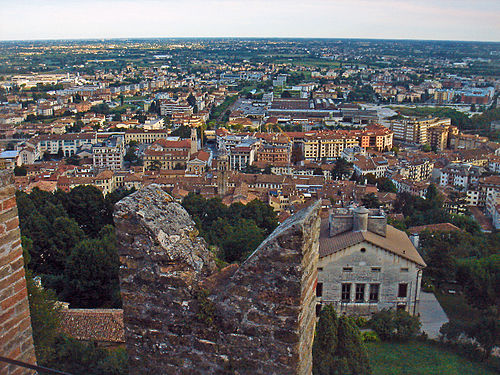
Conegliano is a picturesque town located in the Veneto region of northeastern Italy, renowned for its stunning landscapes, rich history, and culinary heritage. Situated about 30 kilometers north of Venice and 50 kilometers from Treviso, Conegliano lies at the foothills of the Prealps and acts as a gateway to the Prosecco wine region, famous for its sparkling wines. The town is characterized by its charming medieval architecture, with narrow streets, historic buildings, and impressive churches that highlight its storied past. Since the 13th century, Conegliano has been significant both as a political and cultural center, and its economic development has been closely linked to agriculture and wine production.
Among the town's notable landmarks is the Castello di Conegliano, a medieval castle that stands on a hilltop and offers panoramic views of the surrounding countryside. The castle, dating back to the 13th century, provides insight into the region's history and hosts a variety of cultural events throughout the year. The town is also home to the Cathedral of San Giovanni Battista, which features exquisite artwork and frescoes that attract visitors and art enthusiasts. Conegliano is famous for its historical art school, which has produced numerous celebrated painters, including Cima da Conegliano, an influential Renaissance artist known for his landscape backgrounds. The presence of the Scuola di Formazione Professionale Alberghiera, a hospitality school, further solidifies Conegliano's connection to culinary excellence and tourism.
Conegliano celebrates its vibrant culture through various festivals and events, such as the Grape and Wine Festival, which showcases local wines and gastronomy. Its proximity to the scenic hills of Prosecco, recognized as a UNESCO World Heritage Site, enhances its appeal as a destination for wine aficionados and tourists seeking authentic Italian experiences. The town also serves as a starting point for exploring the surrounding Prosecco vineyards, where visitors can indulge in wine tastings and learn about the production process. With its blend of history, art, and gastronomy, Conegliano embodies the quintessential charm of Italy's northern regions, making it a must-visit for anyone traveling in the area.
Facts about Conegliano
- Conegliano is renowned for its Prosecco wine production, being part of the Conegliano Valdobbiadene Prosecco Superiore DOCG region, which is celebrated for its high-quality sparkling wines.
- The city is home to the only Italian School of Viticulture and Oenology, founded in 1876, which has played a crucial role in advancing wine production techniques in Italy.
- Conegliano features a stunning medieval castle, Castello di Conegliano, that dates back to the 10th century and offers panoramic views of the surrounding vineyards and landscapes.
- The Cathedral of Santa Maria Assunta, located in the city center, showcases beautiful Renaissance art and frescoes, distinguishing it from other churches in Italy.
- Conegliano is the birthplace of the famous 16th-century painter Giovanni Battista Cima, known for his contributions to the Venetian Renaissance.
- The city hosts the annual ‘Festa del Prosecco’, celebrating the local wine culture with tastings, parades, and events, attracting wine enthusiasts from around the world.
- Conegliano is strategically located along the historic Via Postumia, an ancient Roman road that connected the Adriatic Coast to the north, enhancing its historical significance.
- The city is recognized for its stunning views of the Prealps and is part of the UNESCO World Heritage Site which includes the Prosecco Hills of Conegliano and Valdobbiadene.
- Conegliano has a vibrant local food scene, with traditional dishes that often incorporate ingredients from the surrounding hills and vineyards, setting it apart from many urban centers in Italy.
- The town is also noted for its production of handcrafted artisan goods, particularly ceramics and textiles, which reflect the region's cultural heritage and craftsmanship.