Contramaestre, Cuba
- 70,438 people
- 1 places to visit
- 20.3006, -76.2421
Places to Visit (1)
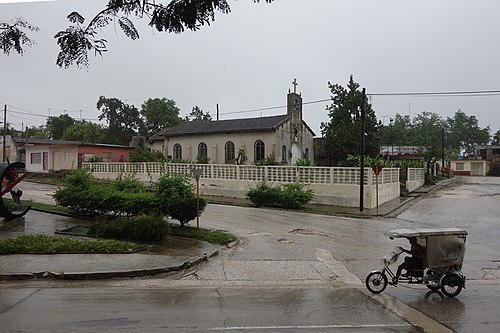
Contramaestre is a municipality and town located in the eastern part of Cuba, within the Santiago de Cuba Province. Nestled in a region characterized by its lush landscapes and mountainous terrain, Contramaestre is positioned approximately 37 kilometers northeast of Santiago de Cuba, the provincial capital. The town serves as a significant local hub for commerce and agriculture, with its economy primarily driven by the cultivation of various crops, including sugarcane, coffee, and tobacco. The fertile soil and favorable climate of the area facilitate diverse agricultural activities, making it an integral part of the region's economic framework.
The history of Contramaestre dates back to its founding in 1910, although the area had long been inhabited by indigenous groups before European colonization. The town's name, which translates to "foreman" in Spanish, reflects its colonial past where sugar plantations were prevalent. Over the years, Contramaestre has developed a distinctive cultural identity influenced by African, Spanish, and indigenous traditions. This rich cultural tapestry is evident in the town's music, dance, and festivals, which showcase a blend of folkloric elements. Residents take pride in their local heritage, and various community events are held throughout the year to celebrate traditional customs and shared history.
Despite the economic challenges faced by Cuba, Contramaestre remains a vibrant community. The municipality features several educational institutions and healthcare facilities that serve the local population, contributing to the overall quality of life. The scenic beauty of the surrounding countryside attracts visitors interested in exploring rural Cuba. Natural attractions, including lush valleys and mountainous backdrops, provide opportunities for ecotourism and outdoor activities. Additionally, Contramaestre's proximity to Santiago de Cuba allows for easy access to the cultural and historical offerings of one of Cuba's most important cities. This combination of agricultural vitality, cultural richness, and scenic landscapes makes Contramaestre a unique and essential part of Cuba's socio-economic tapestry.
Facts about Contramaestre
- Contramaestre is known for its unique agricultural productivity, especially in coffee and tobacco, contributing significantly to Cuba's economy.
- The town is named 'Contramaestre,' which translates to 'master of the oars,' reflecting its historical connection to the shipping and transport industries prevalent in the region.
- Contramaestre has a rich history of musical tradition, being a cultural hub for genres like son and trova, differentiating it from other Cuban towns.
- The town hosts the annual Contramaestre Carnival, a vibrant event featuring traditional dances, music, and local culinary delights, making it a focal point for cultural tourism.
- Contramaestre is distinguished by its proximity to the Sierra Maestra mountain range, offering unique opportunities for eco-tourism and hiking that are not commonly found in other Cuban towns.
- In 1876, Contramaestre became the first municipality in the Santiago de Cuba province, showcasing its historical importance in the region's governance.
- The town's architecture reflects a mix of colonial and neoclassical styles, with beautifully preserved structures that tell the story of its development through the centuries.
- Contramaestre has a significant Afro-Cuban heritage, with various local celebrations and traditions honoring African roots, making its cultural landscape rich and diverse.
- The city is known for producing some of the best rum in Cuba, with local distilleries that highlight its craftsmanship and historical importance in the rum industry.
- Contramaestre plays a vital role in the Cuban education system, having a number of specialized institutions that promote agricultural and musical education, setting it apart from other towns.