Conversano, Italy
- 22,661 people
- 7 places to visit
- 40.9676, 17.1171
Places to Visit (7)
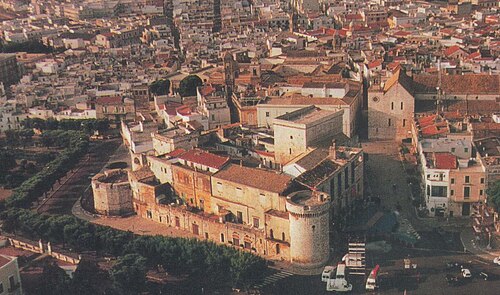
Conversano is a picturesque town located in the Apulia region of Southern Italy, specifically within the Province of Bari. Nestled on a hill overlooking the Adriatic Sea, Conversano has a rich history that dates back to ancient times, having been founded by the Romans. Over the centuries, it has been influenced by various civilizations, including the Byzantines, Normans, and the Aragonese, each leaving an indelible mark on its cultural and architectural landscape. Today, Conversano is renowned for its charming medieval architecture, including the prominent Conversano Castle, a fortress built in the 11th century that dominates the town's skyline. The castle, along with the 14th-century Cathedral of Conversano, reflects the town’s historical significance and its strategic importance in the region.
The town is characterized by its narrow, winding streets, and a vibrant local culture that celebrates its heritage through various festivals, art, and cuisine. Conversano is also famous for its production of high-quality olive oil and wine, reflecting the agricultural richness of the surrounding countryside. The annual "Festa di San Giuseppe" in March and the "Sagra della Focaccia" in August are just two examples of the lively community spirit that showcases local traditions and culinary delights. With a population of approximately 25,000 residents, Conversano has maintained a small-town feel while simultaneously offering modern amenities and a welcoming atmosphere, making it an attractive destination for both tourists and locals alike. The combination of its historical charm, natural beauty, and vibrant community life makes Conversano a unique gem within the Apulia region.
Facts about Conversano
- Conversano is known for its well-preserved medieval castle, the Castello Aragonese, which dates back to the 10th century and reflects the town's rich historical significance.
- The town is home to the Romanesque Cathedral of Maria Santissima della Passione, notable for its stunning frescoes and unique architectural elements.
- Conversano has a strong tradition of producing high-quality wines, particularly the red wine made from the local grape variety known as Primitivo.
- The town is famous for its annual Medieval Festival, which features historical reenactments, music, and traditional crafts, attracting visitors from all over the country.
- Conversano was a significant center for the production of artistic ceramics during the Renaissance, which differentiates it from many other towns in the region.
- The historic center of Conversano is characterized by its narrow cobblestone streets and ancient stone houses, providing a distinctive charm compared to other Italian towns.
- Conversano has its own unique version of Pugliese folk music and dances, which are celebrated during various local festivals throughout the year.
- The town was a vital location for the Benedictine order and hosts the ancient Monastery of San Benedetto, showcasing its religious importance in history.
- Conversano's strategic position provided it with a blend of Byzantine, Norman, and Spanish influences, making it a melting pot of cultures evident in its architecture and cuisine.
- The annual 'Festa di San Giuseppe' in Conversano features a unique tradition of constructing elaborate altars, setting it apart from similar celebrations in other Italian towns.