Copenhagen, Denmark
- 1,153,615 people
- 17 places to visit
- 55.6761, 12.5683
Places to Visit (17)
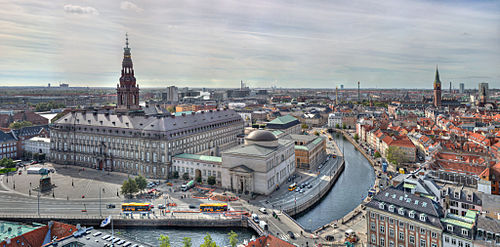
Copenhagen, the capital city of Denmark, is a vibrant metropolis characterized by its rich history and modern innovation. Founded in the 10th century as a small fishing village, it evolved into a significant commercial hub in the 15th century under the reign of King Christian IV. The city’s architecture reflects this transformation, showcasing a blend of medieval buildings and contemporary designs. Notable landmarks include the iconic Nyhavn waterfront, the historic Christiansborg Palace, and the towering Round Tower, which offers panoramic views of the city. The layout of Copenhagen is unique, with a network of canals and bridges that contribute to its charm and facilitate transportation.
As one of the largest cities in Scandinavia, Copenhagen is known for its commitment to sustainability and quality of life. It has been recognized as one of the world’s most livable cities, promoting cycling as a primary mode of transportation, with extensive bike lanes and rental services. The city is also home to numerous parks, gardens, and recreational areas, such as the Tivoli Gardens, which is one of the oldest amusement parks in the world. Copenhagen's culinary scene has gained international acclaim, exemplified by its numerous Michelin-starred restaurants, including the renowned Noma, which focuses on New Nordic cuisine. The city hosts a diverse population and celebrates a vibrant cultural life with festivals, museums, and a thriving arts scene, making it a dynamic center for both residents and visitors.
Copenhagen is also an important center for education and research, hosting several universities and the renowned Copenhagen Business School. The city has a substantial impact on global business and finance, housing many multinational corporations and startups. Furthermore, it plays a crucial role in European politics, serving as the headquarters for the Nordic Council and various international organizations. As a modern city steeped in history, Copenhagen balances tradition with innovation, making it a unique destination that embodies the essence of Danish culture and lifestyle.
Facts about Copenhagen
- Copenhagen is home to the oldest amusement park in the world, Tivoli Gardens, which opened in 1843 and inspired Walt Disney.
- The Little Mermaid statue, inspired by Hans Christian Andersen's fairy tale, is one of Copenhagen's most iconic landmarks and draws millions of visitors each year.
- Copenhagen has consistently been ranked among the world's most bicycle-friendly cities, with over 390 kilometers of designated bike lanes.
- The city is known for its innovative approach to sustainability, aiming to become carbon neutral by 2025, making it a leader in climate-friendly urban development.
- Copenhagen is a city of canals, with its unique layout inspired by its maritime history; Nyhavn is a famous waterfront area lined with colorful townhouses and restaurants.
- The historic district of Christianshavn boasts a 17th-century architecture and is home to the free-spirited community of Freetown Christiania.
- Copenhagen is recognized for its culinary scene and has the highest number of Michelin-starred restaurants in the Nordic countries, including the renowned restaurant Noma.
- The Copenhagen Opera House, located on the waterfront, is one of the most expensive opera houses ever built and features a stunning modern design.
- The city is a cultural hub, hosting the annual Copenhagen Jazz Festival, which is one of the largest jazz festivals in the world, attracting artists from various genres.
- Copenhagen’s original city layout is characterized by the historic Round Tower, an observatory built in the 17th century, offering panoramic views of the city.