Coquimbo, Chile
- 161,317 people
- 9 places to visit
- -29.959, -71.3389
Places to Visit (9)
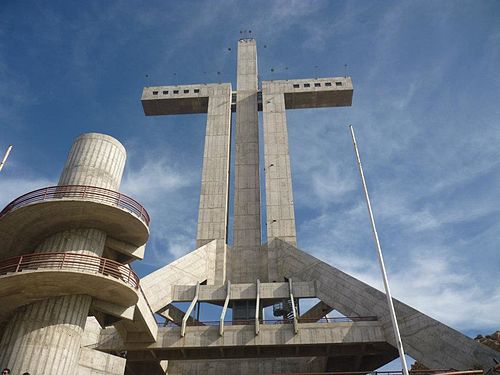
Coquimbo is a coastal city located in northern Chile, approximately 470 kilometers north of the capital, Santiago. It serves as the capital of the Coquimbo Region and is one of the nation's principal ports. Nestled between the Pacific Ocean to the west and the Andes mountains to the east, Coquimbo is characterized by its stunning natural landscapes and a warm Mediterranean climate. The city's population is estimated to be over 200,000 residents. Coquimbo's economy relies largely on commerce, fishing, and tourism, attracting visitors with its beautiful beaches, rich history, and cultural experiences.
The city boasts several historical and cultural landmarks, including the Cruz del Tercer Milenio, a striking cross that stands atop a hill, offering panoramic views of the city and the coast. The nearby Fort Lambert, originally built in the 19th century to safeguard the city, reflects Coquimbo’s colonial past. The picturesque port area is also a hub of activity, featuring seafood restaurants and shops that showcase local crafts. The city is famous for its annual celebrations, such as the Carnival of Coquimbo, which highlights the region's vibrant traditions through music, dance, and colorful parades. Coquimbo’s strategic location has made it a gateway to various attractions, including the Elqui Valley, known for its pisco production and stunning night skies, drawing astronomy enthusiasts from around the world.
In addition to its cultural significance, Coquimbo is positioned as an important center for economic activity, thanks to its port facilities that facilitate maritime trade. The city has been developing its infrastructure to support a growing tourist industry, which includes accommodations and amenities catering to both domestic and international visitors. As one of the fastest-growing cities in the region, Coquimbo continues to modernize while maintaining its historical charm. The combination of cultural heritage, economic growth, and spectacular scenery positions Coquimbo as a key destination in Chile, merging the old with the contemporary and offering a unique experience to all who visit.
Facts about Coquimbo
- Coquimbo is known for its historic port, which played a crucial role during the Spanish colonial period and was a key point for silver and mineral exportation.
- The city is home to the iconic Cruz del Tercer Milenio, a massive cross that stands 93 meters tall, symbolizing hope and faith for the region.
- Coquimbo hosts the annual 'Festival de la Cerveza' (Beer Festival), which celebrates the local craft beer culture and attracts visitors from all over the country.
- The nearby Elqui Valley, accessible from Coquimbo, is famous for its pisco production and is the birthplace of renowned Chilean poet Pablo Neruda.
- Coquimbo is one of the few cities in Chile that offers both a rich maritime history and a vibrant fishing industry, notably known for its seafood and artisanal fishing.
- The city features the 'Barrio Ingles' district, a historical area with English-style architecture that dates back to the 19th century when British immigrants settled there.
- Coquimbo has a unique geographical feature known as the 'Faro Monumental,' a lighthouse tower that is a prominent landmark and symbol of the city.
- The city is also famous for its observatories in the nearby Andes mountains, making it a hub for astronomical tourism due to its clear skies.
- Coquimbo's beach culture is distinct, with popular beach spots like La Herradura and Totoralillo, known for their beauty and water sports.
- Coquimbo is considered the gateway to the Atacama Desert, one of the driest places on Earth, attracting tourists interested in its unique landscapes and astrological phenomena.