Corabia, Romania
- 20,047 people
- 4 places to visit
- 43.7776, 24.5129
Places to Visit (4)
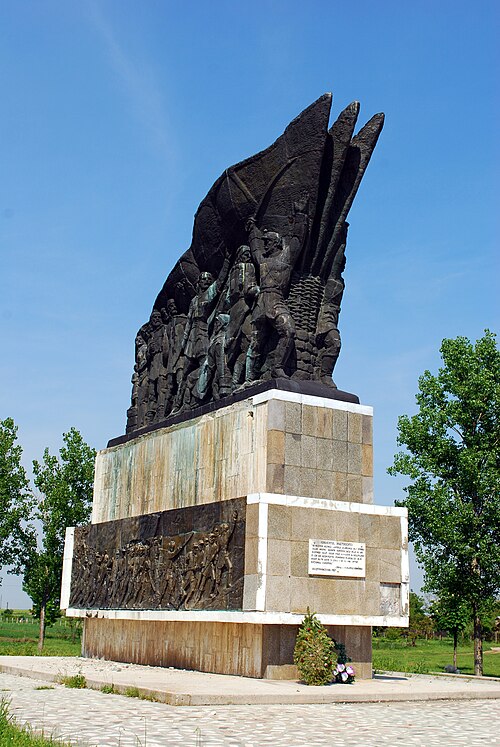
Corabia is a small city located in Olt County, Romania, positioned along the banks of the Danube River. Founded in the 14th century, Corabia originally developed as a trading port due to its strategic location, facilitating commerce between the Balkan region and the rest of Europe. The city’s name is believed to derive from the Romanian word for "boat" (corabie), reflecting its historical reliance on river transport. The population of Corabia has fluctuated over the years, and as of the latest census, it is home to approximately 10,000 residents. The city nurtures a rich cultural heritage, with influences from various historical periods, including Ottoman, Habsburg, and local Romanian traditions.
Corabia is known for its picturesque landscapes, characterized by the lush greenery of the surrounding countryside and the scenic views offered by the Danube River. Key landmarks in the city include the Orthodox Church of St. Nicholas, notable for its architectural beauty and historical significance. The local economy has historically been linked to agriculture, fishing, and trade, but in recent decades, there has been a shift towards a more diversified economic base. Despite its small size, Corabia offers a range of services and amenities, contributing to the quality of life in the area. The city’s vibrant cultural scene is reflected through various festivals and events that celebrate Romanian history and traditions, helping to foster a sense of community and local pride. Overall, Corabia serves as a reminder of Romania's rich cultural tapestry and its unique role in the region's historical narrative.
Facts about Corabia
- Corabia is situated on the banks of the Danube River, making it an important historical trade route since ancient times.
- The city is known for its significant archaeological findings, including remnants from the prehistoric, Roman, and Byzantine eras.
- Corabia was once a major river port and played a critical role in the economic development of southern Romania, especially during the 19th century.
- The town is home to the Church of St. Nicholas, a beautiful historic Orthodox church built in the 19th century, showcasing local architectural styles.
- Corabia hosted several important historical events, including the establishment of a customs office in the 1800s that boosted trade in the region.
- In the late 20th century, Corabia was recognized as a center for agricultural and industrial development, distinct for its production of agricultural machinery.
- The Corabia–Vidin ferry, which connects Romania and Bulgaria, is a notable point of interest, facilitating cross-border trade and travel.
- Corabia is known for its annual cultural events, including traditional festivals that celebrate local folklore, crafts, and customs unique to the Oltenia region.
- The surrounding landscape offers unique biodiversity, including nearby wetlands that serve as habitats for various migratory birds, distinguishing the area environmentally.
- Corabia has a distinct culinary tradition, featuring local dishes influenced by both Romanian and Balkan cuisines, making it a delightful destination for food lovers.