Corbeil-Essonnes, France
- 40,527 people
- 12 places to visit
- 48.6103, 2.4748
Places to Visit (12)
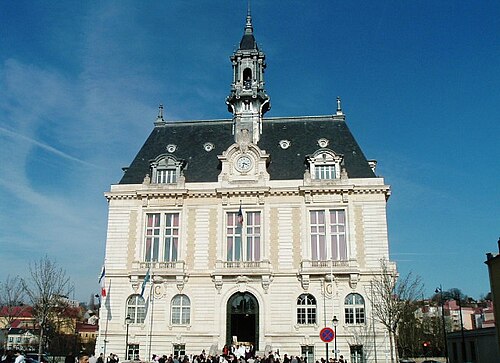
Corbeil-Essonnes is a commune located in the Essonne department in the Île-de-France region of north-central France. Situated approximately 30 kilometers southeast of Paris, Corbeil-Essonnes has a rich history that dates back well over a thousand years. Established around the 9th century, it developed significantly during the Middle Ages and became particularly prominent due to its strategic location along the banks of the Seine River. The town is known for its medieval architecture, with highlights including the Church of Saint-Spire, which features a notable bell tower, and remnants of the ancient fortified walls that once protected the town.
The commune has undergone substantial economic and social transformations over the years. In the 19th century, Corbeil-Essonnes experienced industrial growth, which was bolstered by the arrival of the railway in the 1840s. This development not only enhanced its connectivity to Paris but also facilitated the growth of various industries, including manufacturing and commerce. Today, Corbeil-Essonnes is characterized by a diverse economy, balancing residential areas with commercial zones and light industry. The population has grown over time, leading to a vibrant community with around 20,000 residents. It also boasts several amenities and services that cater to the needs of its inhabitants, such as schools, parks, and cultural institutions that enrich the local lifestyle.
Corbeil-Essonnes is not just an industrial center; it also offers a range of recreational activities and cultural experiences. The commune is adorned with several parks and green spaces, providing residents and visitors opportunities for leisure and outdoor activities. The nearby Seine River is a focal point for various water-related activities and enhances the natural beauty of the area. Additionally, the town is well-connected to surrounding regions through a network of public transportation, including the RER suburban train service, making it an attractive place for commuters working in Paris. With its blend of historical significance, economic dynamism, and community amenities, Corbeil-Essonnes continues to be an important part of the Île-de-France region.
Facts about Corbeil-Essonnes
- Corbeil-Essonnes is known as the birthplace of the famous French poet and playwright, Paul Valéry.
- The city is situated at the confluence of the Seine and Essonne rivers, giving it a unique geographical significance.
- Corbeil-Essonnes has a rich industrial history and was a center for the manufacturing of papermaking, especially during the 19th century.
- The Saint-Spire Cathedral, a notable landmark, features a unique mix of architectural styles, showcasing its historical evolution over centuries.
- Corbeil-Essonnes hosts an annual medieval festival that celebrates its historical heritage, reenacting events and showcasing medieval culture.
- The city was an important location during the Hundred Years' War, with key battles taking place in and around the area.
- Corbeil-Essonnes is home to the prestigious Lycée Pothier, a renowned secondary school that has produced many notable alumni.
- The town features the Parc de l'Essonne, a picturesque park that highlights the natural beauty and wildlife of the region, setting it apart from more urbanized areas.
- Corbeil-Essonnes is part of the Greater Paris metropolitan area, which allows it to maintain a blend of small-town charm with access to big-city amenities.
- The town has a strong commitment to sustainability, with various green initiatives aimed at preserving its natural landscapes and improving urban environments.