Córdoba, Argentina
- 1,317,298 people
- 16 places to visit
- -31.4201, -64.1888
Places to Visit (16)
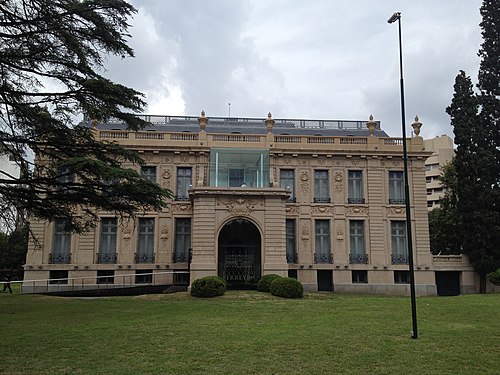
Córdoba, the second-largest city in Argentina, is located in the geographic center of the country. Known for its rich colonial history and vibrant cultural scene, Córdoba serves as the capital of the Córdoba Province. Founded in 1573, the city has a significant historical legacy, evident in its well-preserved colonial architecture, which includes churches, cathedrals, and government buildings. Among the most notable structures are the Jesuit Block and Estancias, a UNESCO World Heritage Site, reflecting the historical influence of Jesuit missionaries in the region. The city is also home to several universities, making it a major educational hub in Argentina, with a large student population contributing to its lively atmosphere.
Córdoba's economy is diverse, with key sectors including agriculture, manufacturing, and services. The surrounding fertile Pampas region supports extensive agricultural activities, particularly in livestock and crops such as soybeans and corn. Moreover, the city has developed a strong industrial base, focusing on automotive, food processing, and technology sectors. Córdoba is also recognized for its cultural vibrancy, hosting numerous festivals, events, and a dynamic music scene, particularly in folklore and rock. The city’s strategic location makes it a key transport and logistics center, connecting various regions of Argentina. With a blend of historical heritage, educational resources, and cultural vitality, Córdoba continues to play a vital role in the country’s development and remains an attractive destination for tourists and residents alike.
Facts about Córdoba
- Córdoba is home to one of the oldest universities in the Americas, the National University of Córdoba, founded in 1613.
- The city is known for its colonial architecture and is often referred to as 'La Docta,' a nickname that reflects its educational prominence.
- Córdoba has a unique blend of Spanish colonial and indigenous influences, which is reflected in its architecture and cultural heritage.
- The city held the first National Congress of Argentina in 1813, making it a significant site in the country's struggle for independence.
- Córdoba is celebrated for its lively cultural scene, hosting numerous festivals, such as the Córdoba International Film Festival and the Lollapalooza Argentina music festival.
- The Jesuit Block and Domestic Chapel, a UNESCO World Heritage Site, showcases the history and influence of the Jesuit Order in the region.
- Córdoba is known for its extensive outdoor barbecue culture, commonly referred to as 'asado,' which is a social event as much as a meal.
- The Sierras de Córdoba mountain range nearby offers stunning natural beauty and outdoor recreational activities, distinguishing the city from more urban locales in Argentina.
- Córdoba is recognized for its vibrant arts scene, with numerous galleries, theaters, and museums showcasing local and international talent.
- The city has a significant student population, contributing to its youthful atmosphere and making it one of the largest university towns in Argentina.