Córdoba, Spain
- 325,708 people
- 17 places to visit
- 37.8882, -4.7794
Places to Visit (17)
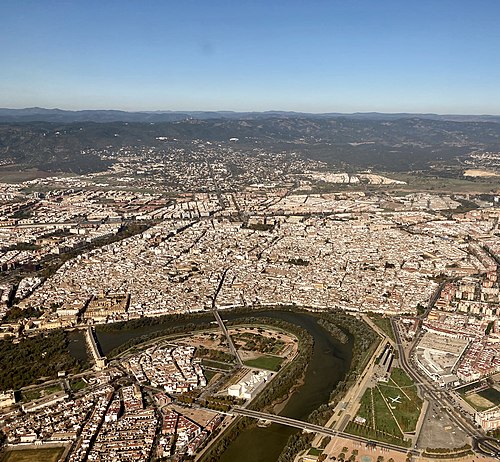
Córdoba, located in the southern Spanish region of Andalusia, is a city steeped in history and cultural significance. As the capital of the Córdoba province, it boasts a rich heritage that reflects a blend of Roman, Islamic, and Christian influences. The city was founded by the Romans in the 2nd century BCE and became one of the most important cities in the Roman Empire, known as Corduba. After the fall of the Roman Empire, Córdoba came under Muslim rule in the 8th century. It flourished as the capital of the Umayyad Caliphate, reaching its zenith in the 10th century when it became a center of learning, culture, and trade, attracting scholars, poets, and thinkers from across the Mediterranean.
One of Córdoba's most famous landmarks is the Mezquita-Catedral, a stunning architectural marvel that exemplifies the city's Islamic heritage. Originally built as a mosque in the 8th century, it features an impressive forest of columns and arches and was later converted into a cathedral following the Reconquista in the late 15th century. The city’s historic center, a UNESCO World Heritage site, is a labyrinth of narrow streets, charming patios adorned with flowers, and historical buildings reflecting various architectural styles. Other significant sites include the Alcázar de los Reyes Cristianos, a medieval fortress with beautiful gardens, and the Roman bridge that spans the Guadalquivir River. Córdoba is also known for its rich culinary traditions, particularly the famous salmorejo soup and various tapas influenced by its diverse cultural history.
Córdoba’s economy is primarily driven by agriculture, particularly the cultivation of olives and wine production, along with tourism, which has become increasingly vital in recent decades. The city is also renowned for its annual festival, the Patios de Córdoba, recognized for its vibrant displays of floral decorations in private courtyards. This festival underscores the city's commitment to preserving its artistic and cultural heritage. As a city that has witnessed various civilizations and cultural exchanges over centuries, Córdoba continues to be a poignant symbol of coexistence and diversity, making it a captivating destination for visitors from around the world.
Facts about Córdoba
- Córdoba was the capital of the Umayyad Caliphate in the 10th century, making it one of the most influential cities in the world during the Middle Ages.
- The Great Mosque of Córdoba (Mezquita-Catedral) is one of the most significant architectural masterpieces in Islamic architecture, originally built as a mosque in the 8th century and later converted into a cathedral.
- Córdoba is famous for its patios, particularly the Patios of Córdoba Festival held every May, where residents open their beautifully decorated courtyards to the public.
- The city is home to the historic Jewish quarter, known as Judería, which features narrow, winding streets and the ancient synagogue dating back to the 13th century.
- Córdoba has one of the largest collections of Roman ruins in Spain, including the well-preserved Roman bridge that dates back to the 1st century BC.
- In the 10th century, Córdoba was home to one of the first universities in the Western world, attracting scholars from across Europe and the Islamic world.
- Córdoba produces high-quality olive oil, cultivating over 300,000 hectares of olive groves, making it a key player in Spain's olive oil production.
- The city is known for its traditional Andalusian architecture, featuring whitewashed buildings, open patios, and intricate tilework that reflect its multicultural heritage.
- Córdoba was declared a UNESCO World Heritage Site in 1994, recognizing its rich historical and cultural significance.
- Famous artists and philosophers, such as Maimonides and Seneca, were born in Córdoba, contributing to its reputation as a center of intellectual thought in ancient times.