Coro, Venezuela
- 246,657 people
- 7 places to visit
- 11.3946, -69.681
Places to Visit (7)
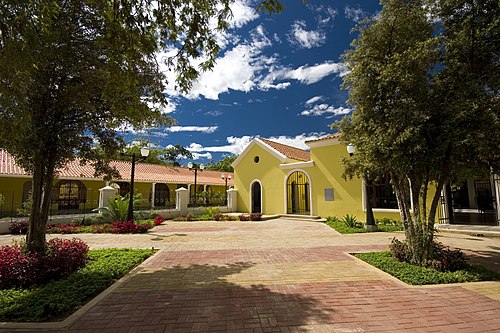
Coro, the capital of the Falcón state in Venezuela, is a city steeped in history and cultural significance. Founded in 1527 by the Spanish conquistador Juan de Ampíes, Coro is one of the oldest cities in Venezuela and was designated a UNESCO World Heritage Site in 1993 due to its well-preserved colonial architecture and rich historical legacy. The city's layout reflects its colonial past, showcasing a blend of Spanish and indigenous influences, with charming cobbled streets, brightly colored buildings, and numerous churches that date back to the 17th and 18th centuries. Among its notable landmarks are the Cathedral of Coro, which boasts an impressive baroque facade, and the Casa de Las Ventanas de Hierro, known for its unique iron windows which symbolize the city's historical connection to the metal trade.
Beyond its architectural beauty, Coro serves as a gateway to the diverse natural landscapes of the Falcón state. The region is characterized by a variety of ecosystems, including the nearby Médanos de Coro National Park, which features vast sand dunes, and extensive wetlands that are home to numerous bird species. The local economy is primarily based on agriculture and trade, with the city playing a crucial role in the region's commerce. While Coro faces challenges, including economic difficulties and infrastructure issues, its vibrant cultural scene, marked by traditional festivals and local crafts, continues to attract visitors. The combination of its rich heritage, stunning landscapes, and resilient community makes Coro a significant site in Venezuela, reflecting both the country’s past and its ongoing evolution.
Facts about Coro
- Coro is the capital of the state of Falcon in Venezuela and is known for its rich colonial architecture, which includes buildings dating back to the 16th century.
- The city was founded in 1527 by Juan de Ampíes, making it one of the oldest cities in Venezuela.
- Coro was designated a UNESCO World Heritage Site in 1993 due to its well-preserved colonial architecture and historical significance.
- The city is located near the coast of the Caribbean Sea and serves as a gateway to the nearby Médanos de Coro National Park, famous for its large wind-blown dunes.
- Coro has a unique mix of architectural styles, including Spanish colonial, baroque, and neoclassical elements, particularly evident in buildings like the Catedral de Santa Ana.
- The area has a distinct cultural heritage, influenced by indigenous, African, and European traditions, which is evident in its music, festivals, and cuisine.
- Coro is known for its vibrant local markets, where traditional crafts, foods, and locally produced goods can be found, distinguishing it from other Venezuelan cities.
- The city hosts an annual carnival celebration that is one of the oldest in the country, attracting visitors from all over Venezuela and beyond.
- Coro was historically an important port for trade and communication, which contributed to its development and prosperity in the colonial era.
- The surrounding region is rich in natural resources, including salt flats, which historically fueled the economy and contributed to Coro's strategic importance.