Cotabato, Philippines
- 325,079 people
- 6 places to visit
- 7.2047, 124.231
Places to Visit (6)
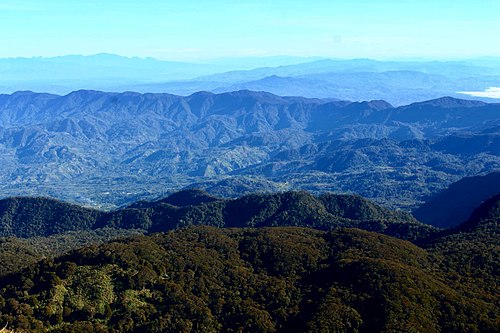
Cotabato City, located in the southern Philippines, serves as the capital of the Cotabato province and is a prominent urban center in the region. Established along the banks of the Rio Grande de Mindanao, the city boasts a rich history that intertwines with the cultural tapestry of the diverse Muslim and Christian populations. Cotabato, which is often referred to as the "Land of the Golden Mosque," features several significant Islamic landmarks, including the grand Sultan Haji Hassanal Bolkiah Mosque, a symbol of the city’s Islamic heritage. This vibrant metropolis plays a crucial role in the socio-economic landscape of Mindanao, engaging in agriculture, trade, and commerce.
The city's strategic location has made it an important trading hub, where various goods, particularly agricultural products like rice and corn, flow in and out. Cotabato City hosts a multitude of markets and business establishments, attracting both local and international investors. Despite facing challenges such as socio-political instability and the impacts of natural disasters, the city's resilience is evident in its ongoing efforts towards development and peace-building initiatives. Local government agencies, along with non-government organizations, work collaboratively to foster stability, enhance public safety, and promote meaningful dialogue among the diverse communities. Cotabato City remains a key player in the pursuit of growth and development in the Bangsamoro Autonomous Region in Muslim Mindanao (BARMM), making it a focal point for both economic and cultural convergence in the region.
Facts about Cotabato
- Cotabato City is known as the 'Islamic City of Cotabato' and serves as a central hub for Muslim culture and commerce in the Philippines.
- The city is home to the largest mosque in the Philippines, the Sultan Hassanal Bolkiah Mosque, known for its stunning architecture and significant cultural impact.
- Cotabato City has a unique blend of Christian, Muslim, and Indigenous cultures, making it a melting pot of diverse traditions and practices.
- Historically, Cotabato was an important trading post and sits near strategic waterways that facilitated trade between different regions of the Philippines and beyond.
- It was declared a city in 1973 and is recognized for its historical significance in Mindanao, particularly during the early Islamic expansion in the region.
- Cotabato City is known for its vibrant local festivals, particularly the 'Kahimun' Festival, which showcases the cultural diversity of the residents.
- The city has a multi-layered history, having been governed by various sultanates, colonial powers, and military regimes, reflecting its complex socio-political landscape.
- Cotabato City serves as the capital of the Bangsamoro Autonomous Region in Muslim Mindanao (BARMM), emphasizing its role in the governance and development of the region.
- The city is located along the banks of the Rio Grande de Mindanao, offering beautiful river views and opportunities for eco-tourism activities.
- Cotabato City is home to the oldest known cemetery in the country, the Old Cotabato Cemetery, which is a testament to the city's rich history and cultural heritage.