Cotia, Brazil
- 253,608 people
- 12 places to visit
- -23.6059, -46.9265
Places to Visit (12)
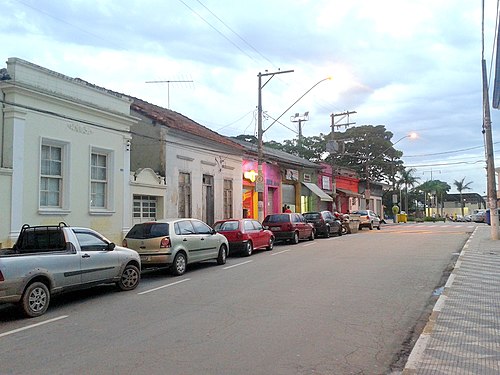
Cotia is a city located in the State of São Paulo, Brazil, situated approximately 15 kilometers southwest of the city of São Paulo itself. Established as a municipality in 1991, Cotia has a rich history tied to the indigenous people and later Portuguese settlers who arrived in the region during the colonial period. The area was originally known for its agriculture, specifically in the cultivation of coffee and other crops. Today, Cotia is recognized for its rapid urbanization and development, balancing urban growth with the preservation of natural landscapes, including parks and environmental reserves.
The city has a diverse population that exceeds 200,000 residents, driven by both its proximity to São Paulo and its appealing suburban environment. Cotia is often seen as a residential alternative for those working in the capital, offering a quieter lifestyle with ample green spaces and recreational opportunities. Notable attractions include the Parque Estadual de Juquery, a state park known for its hiking trails and rich biodiversity, and the Gruta de Nossa Senhora de Lourdes, a popular religious site. The local economy is characterized by a mix of commerce, services, and a growing industrial sector, with numerous companies establishing operations in the region. Cotia's infrastructure continues to improve, featuring well-connected roads and public transport options that facilitate commuting to São Paulo and neighboring municipalities.
Culturally, Cotia hosts various events throughout the year, showcasing the traditions and influences of its diverse community. Festivals often celebrate local cuisine, crafts, and the vibrant history of the area, drawing residents and visitors alike. The city also emphasizes education and has several public and private schools, as well as higher education institutions. With its blend of urban and natural environments, coupled with a rich cultural heritage, Cotia stands out as a dynamic city within the greater São Paulo metropolitan region, reflecting Brazil's ongoing development and urbanization journey.
Facts about Cotia
- Cotia is known for its rich historical heritage, having been founded in 1560, making it one of the older municipalities in Brazil.
- The city is home to the largest population of Japanese descendants in the state of São Paulo, contributing to its unique cultural blend.
- Cotia is famously recognized for its natural beauty, featuring numerous parks and green areas, including the beautiful Parque da Gruta de Santo Antonio.
- The region is significant for its ecological conservation efforts, being close to the Pico do Jaraguá, one of the highest peaks in São Paulo, which is part of the Atlantic Forest.
- Cotia hosts the Museu Histórico de Cotia, which showcases the city's history and cultural development through various artifacts and exhibitions.
- Every year, Cotia celebrates the traditional Festa do Divino Espírito Santo, highlighting the city's cultural and religious heritage through vibrant parades and festivities.
- The city has a rapidly developing economy, attracting tech startups and real estate development due to its proximity to São Paulo.
- Cotia is also known for its diverse gastronomy, including specialized cuisines influenced by Japanese, Italian, and typical Brazilian flavors.
- The Cotia-Campinas road is significant for trade and travel, as it connects the city to major highways and facilitates economic growth in the region.
- The city promotes sustainable tourism, with trails and activities that encourage outdoor recreation while preserving its natural landscapes.