Cotonou, Benin
- 679,012 people
- 5 places to visit
- 6.3562, 2.4278
Places to Visit (5)
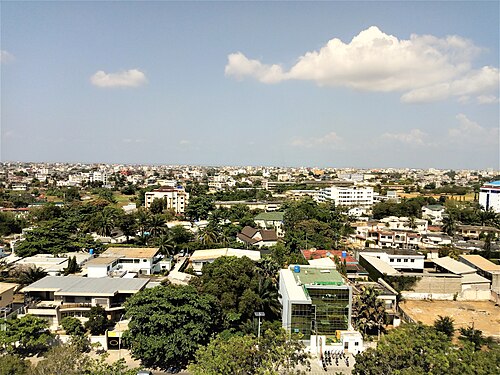
Cotonou, the largest city and economic capital of Benin, is situated on the country’s southern coast along the Gulf of Guinea. With a population of over 1 million inhabitants, it serves as an essential hub for commerce and trade, significantly contributing to the nation’s economy. The city is characterized by its vibrant markets, notably the Dantokpa Market, one of the largest open-air markets in West Africa, where a diverse array of goods—from fresh produce to textiles—can be found. Cotonou is also home to several important cultural institutions, including the Ethnographic Museum, which showcases the rich heritage of Benin and its various ethnic groups.
Cotonou's infrastructure includes an international airport, the Cadjehoun Airport, facilitating connections not only to other African cities but also to Europe and the Americas. The Port of Cotonou is a vital economic asset, handling a significant percentage of Benin's international trade and providing access to landlocked neighboring countries, such as Niger and Burkina Faso. The city's political significance is underscored by its proximity to the administrative capital, Porto-Novo, which is a short distance away. Despite challenges such as urbanization and inadequate infrastructure, Cotonou continues to experience growth, driven by its strategic location and the entrepreneurial spirit of its inhabitants. The city is also notable for its various festivals and cultural events, reflecting the rich traditions and diverse communities that call Cotonou home, making it a dynamic and essential part of Benin’s identity.
Facts about Cotonou
- Cotonou is not the official capital of Benin, but it serves as the largest city and the economic hub of the country.
- The city is home to the Cotonou Port, which is the busiest port in West Africa and a vital gateway for trade in the region.
- Cotonou hosts the annual Voodoo Festival, celebrating the country's rich cultural heritage and the importance of Vodun in Benin's history.
- The city has a vibrant street market scene, with the Dantokpa Market being one of the largest open-air markets in West Africa.
- Cotonou is known for its unique architecture, combining colonial-era buildings with modern structures, reflecting its diverse historical influences.
- It is home to the National University of Benin, which plays a crucial role in the education and development of the country's youth.
- Cotonou has several significant monuments, including the statue of the Prince of Dahomey and the Hand of the Nation, symbolizing the country's cultural identity.
- The city was originally established as a fishing village and has grown significantly since becoming a major urban center in the region.
- Cotonou is strategically located along the Gulf of Guinea, contributing to its role as a trade and transportation hub in West Africa.
- The city's population is diverse, with a mix of ethnic groups, contributing to a rich tapestry of languages, traditions, and cultural practices.