Cottbus, Germany
- 84,754 people
- 10 places to visit
- 51.7563, 14.3329
Places to Visit (10)
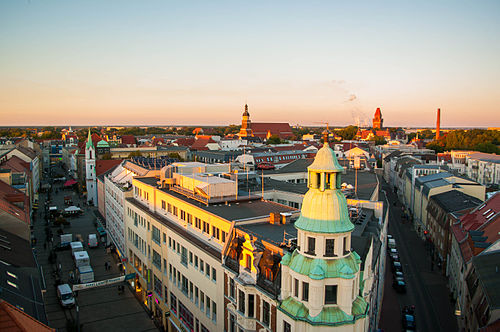
Cottbus is a city located in the state of Brandenburg, Germany, primarily known for its rich cultural heritage, historical significance, and as a center for education and industry. Situated at the confluence of the Spree and Neiße rivers, Cottbus lies about 125 kilometers southeast of Berlin, making it an essential hub in the Sorbian region. With a population of approximately 100,000 residents, it is the second-largest city in Brandenburg after Potsdam. Cottbus has a well-preserved medieval old town, featuring stunning architectural landmarks such as the St. Nicholas Church, which dates back to the 14th century, and the iconic Cottbus Castle, reflecting influences from various epochs, including Gothic and Renaissance styles.
The city is also known for its vibrant cultural scene and events, particularly the Cottbus Film Festival, which focuses on Eastern European cinema and draws considerable international attention. Educationally, the city is home to the University of Cottbus-Senftenberg, which specializes in engineering, architecture, and environmental management, thus contributing to the area's development and innovation. Additionally, Cottbus serves as a gateway to the extensive Lusatian Lake District, a popular recreational area formed by centuries of lignite mining, attracting tourists for activities such as hiking, sailing, and cycling.
Cottbus was historically significant during the industrial era, particularly in lignite mining, which played a critical role in the local economy. The city underwent considerable transformation after the reunification of Germany, adapting its economic structure and revitalizing its urban landscape. Efforts have been made to promote sustainable development, and the area continues to navigate the challenges posed by the transition to renewable energy sources. With a blend of historical significance, cultural richness, and modern-day innovation, Cottbus exemplifies the dynamic transformation of post-reunification Germany.
Facts about Cottbus
- Cottbus is known for its unique mixture of historic architecture and modern innovations, including the iconic St. Nicholas Church, which dates back to the 15th century.
- The city serves as the cultural hub of the Lusatia region and is home to the 'FilmFestival Cottbus,' one of the leading film festivals in Eastern Germany focused on Central and Eastern European cinema.
- Cottbus is located near the Spreewald, a UNESCO Biosphere Reserve famous for its picturesque canals and traditional Sorbian culture, making it a popular destination for eco-tourism.
- The town has a strong historical connection to the Sorbs, a Slavic minority in Germany, and this cultural influence is evident in various local traditions, festivals, and the preservation of the Sorbian language.
- Cottbus is recognized for its extensive green spaces, including the Cottbus Zoo and the beautiful Fürst-Pückler-Park, which is also a UNESCO World Heritage site.
- The city was an important center for lignite mining in East Germany, and remnants of its industrial past can still be seen in the nearby energy production facilities, contributing to discussions on energy transition.
- Cottbus is praised for its educational institutions, including the Brandenburg University of Technology, which is focused on engineering and technology degrees.
- The Cottbus State Theater is a noteworthy cultural institution, offering a variety of performances including opera, ballet, and drama, making it a significant center for the arts.
- The city's historic old town features charming cobblestone streets and buildings, such as the Branitz Palace, which was designed by Prince Hermann von Pückler-Muskau and includes stunning landscaped gardens.
- Cottbus was famously the setting for the 'Battle of Cottbus' during World War II, which marked a significant point during the conflict in the region.