Coulsdon, United Kingdom
- 25,500 people
- 16 places to visit
- 51.3199, -0.1413
Places to Visit (16)
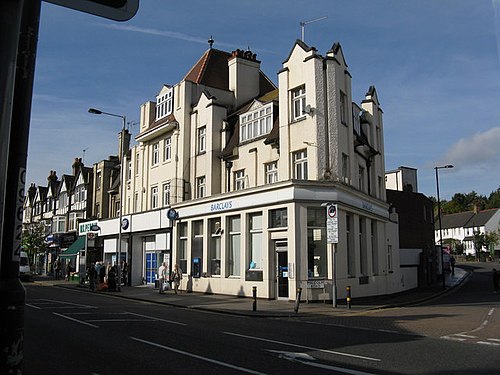
Coulsdon is a town located in the London Borough of Croydon, England, situated approximately 12 miles south of Central London. Originally a rural settlement, Coulsdon has evolved significantly over the years, especially during the 20th century, transforming from a largely agricultural area into a suburban community. The history of Coulsdon dates back to the Domesday Book of 1086, where it was documented as "Colesdone." The name is believed to derive from the Old English for "the hill where coal was taken." Throughout the centuries, Coulsdon has seen various developments, including the establishment of the railway in the 19th century, which enhanced its connectivity and spurred residential growth.
The town itself features a blend of urban and rural characteristics, surrounded by the picturesque countryside of the North Downs and the green spaces of Coulsdon Common and Farthing Downs. This proximity to nature makes Coulsdon appealing to families and outdoor enthusiasts. The local economy has shifted over time, with the town offering a range of retail, dining, and services, supported by both local businesses and supermarkets. Coulsdon is well-served by public transport, including buses and trains, with services connecting to Central London, providing easy access for commuters. The community is also marked by several schools, parks, and recreational facilities, contributing to its family-friendly environment.
Culturally, Coulsdon reflects a mix of traditional English suburban life while embracing a diverse population. It hosts various local events aimed at fostering community spirit, such as fairs and festivals, and promotes local arts and crafts. The town is also home to several historical sites and landmarks, including St. John's Church, which dates back to the 12th century, highlighting its rich heritage. As Coulsdon continues to develop, it remains a quintessential example of a suburban town in the UK that harmoniously balances modern living with a touch of historical charm.
Facts about Coulsdon
- Coulsdon is located in the London Borough of Croydon and is known for its blend of urban and rural environments, situated on the edge of the North Downs.
- The town is recognized for its historical significance, with parts of Coulsdon dating back to the 14th century, including the notable St. John's Church, which dates back to 1150.
- Coulsdon is home to the famous Coulsdon Common and Happy Valley, which are significant areas for outdoor activities and wildlife, offering picturesque views and walking trails.
- The Coulsdon Town Centre has a mix of historic buildings and modern shops, contributing to its unique blend of old and contemporary England.
- Coulsdon played a role in the 1960s through the expansion of suburban housing, making it a key area in the post-war development of London.
- The town features the iconic Coulsdon Railway Station, which has been in operation since the 1800s and is a significant transport link for residents commuting to London.
- Coulsdon has a rich community spirit, with various local events such as Coulsdon Carnival that celebrates the town's culture and history.
- The area is also known for its local produce and markets, showcasing independent vendors and promoting community engagement.
- Coulsdon's proximity to London makes it a popular place for commuters, yet it retains a village-like atmosphere due to its parks and green spaces.
- The town has unique educational institutions, including Coulsdon College, which has a strong reputation for providing further education and vocational training.