Cranbourne, Australia
- 21,281 people
- 15 places to visit
- -38.1054, 145.2818
Places to Visit (15)
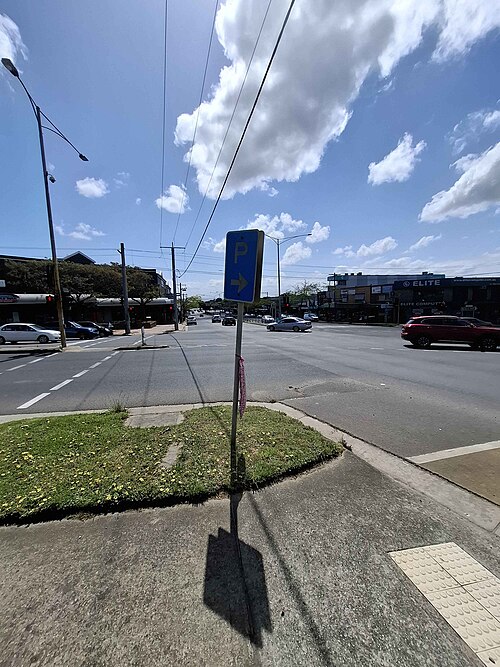
Cranbourne is a suburban area located in Melbourne, Victoria, Australia, approximately 43 kilometers southeast of the Melbourne Central Business District. Initially established in the mid-19th century, Cranbourne was primarily a farming and agricultural community. Its development accelerated in the 1960s and 1970s as part of the broader suburban expansion of Melbourne, driven by the need for housing due to an influx of residents moving from inner-city areas. As a result, Cranbourne has transformed from its rural roots into a vibrant suburban hub characterized by residential neighborhoods, local businesses, parks, and essential community facilities.
Cranbourne is well known for its cultural diversity, bringing together residents from various backgrounds, which is reflected in its local cuisine, festivals, and community events. The suburb boasts numerous parks and recreational areas, including the expansive Cranbourne Royal Botanic Gardens, which showcases various native flora and provides a peaceful retreat in close proximity to the urban environment. Additionally, Cranbourne features several educational institutions, shopping centers, and health services, contributing to its appeal as a family-oriented locality. The suburb benefits from a public transport network, including train and bus services, making it accessible for commuters traveling to Melbourne and surrounding areas.
Moreover, Cranbourne's economy is supported by a mix of retail, healthcare, and service industries, alongside ongoing residential development projects aimed at accommodating its growing population. With a plethora of recreational activities, educational opportunities, and community services, Cranbourne has become a desirable location for families and young professionals alike. As urban development continues, the suburb faces challenges related to infrastructure and sustainability, yet it remains committed to enhancing the quality of life for its residents while preserving its rich historical heritage and natural surroundings.
Facts about Cranbourne
- Cranbourne is home to the Royal Botanic Gardens Cranbourne, which features one of the largest and most diverse native plant collections in Australia and is a key site for conservation and education.
- The Cranbourne Racecourse, established in 1888, is one of Victoria’s premier thoroughbred racing venues and hosts numerous significant racing events throughout the year.
- Cranbourne's cultural diversity is reflected in its various festivals, including the Cranbourne Agricultural Show, which celebrates local agriculture and community spirit.
- The suburb is part of the City of Casey, one of Australia's fastest-growing municipalities, known for its comprehensive urban development and planning initiatives.
- Cranbourne has a unique historical connection to the indigenous Bunurong people, and there are efforts to recognize and promote this history through community events and educational programs.
- The area boasts the Cranbourne Secondary College, which is recognized for its strong sense of community and its commitment to educational excellence.
- Cranbourne is strategically located near the acclaimed Gippsland region, making it a gateway for outdoor enthusiasts seeking access to national parks and natural reserves.
- The Cranbourne facilities for sports, especially football and cricket, are remarkable, with multiple clubs fostering local talent and community involvement.
- The suburb is developing as a key suburban hub, with access to extensive shopping, dining, and entertainment options, distinct from many other regional towns in Victoria.
- Cranbourne is notable for its evolving public transport options, including the newly established Cranbourne Train Station, which improves connectivity to Melbourne and the surrounding regions.