Cremona, Italy
- 71,223 people
- 14 places to visit
- 45.1333, 10.0227
Places to Visit (14)
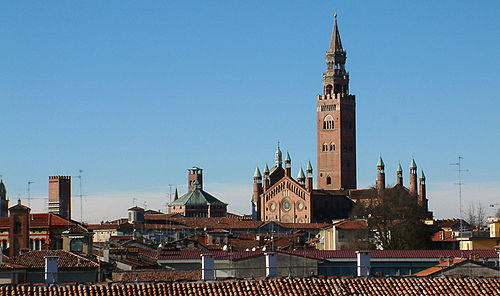
Cremona is a picturesque city located in the Lombardy region of northern Italy, renowned for its rich cultural heritage and historical significance. It sits on the banks of the Po River, approximately 85 kilometers southeast of Milan. The city has deep roots dating back to ancient Roman times, originally established as a military outpost around 218 BC. Over the centuries, Cremona flourished under various rulers, including the Lombards and the Visconti family, transforming into a vibrant center of trade and culture during the medieval period. The city’s architectural landscape features a mix of Romanesque and Gothic styles, with notable structures such as the Cathedral of Cremona, which boasts an impressive bell tower, the Torrazzo, regarded as one of the tallest brick towers in Europe.
Cremona is perhaps most famous for its long-standing tradition of violin making, which began in the 16th century and reached its zenith with the works of legendary luthiers such as Antonio Stradivari, Guarneri, and Amati. This craftsmanship has solidified Cremona’s reputation as the “Home of the Violin,” and the city is host to the International Violin Making School, which continues to educate aspiring luthiers. Visitors can explore the Museo del Violino (Violin Museum), which showcases the history of violin making and features exquisite instruments from the golden age of lutherie. Additionally, Cremona’s annual music festivals and events attract musicians and enthusiasts from around the world, celebrating the city’s musical legacy.
Beyond its musical heritage, Cremona offers a delightful culinary scene characterized by local delicacies, including the famous Torrone, a nougat made of honey, almonds, and egg whites. The city's vibrant squares, such as Piazza del Comune, serve as social hubs where locals and tourists alike enjoy lively markets, outdoor cafes, and cultural events. With its harmonious blend of history, art, and culinary traditions, Cremona remains a captivating destination for those seeking to experience the essence of Italian culture.
Facts about Cremona
- Cremona is renowned for its rich tradition of violin making, being the home of famous luthiers such as Antonio Stradivari, Guarneri, and Amati.
- The city is known for the Torrazzo, a striking freestanding bell tower that stands at 112.54 meters, making it one of the tallest brick towers in Europe.
- Cremona hosts the International Festival of Organ Music, which attracts musicians and visitors from around the globe to celebrate the city's significant organ heritage.
- The city's historic center features numerous medieval and Renaissance buildings, showcasing a blend of architectural styles that highlight its rich historical past.
- Cremona is home to the Museo del Violino (Violin Museum), which not only showcases violins but also discusses the art of violin making and the history of the instrument.
- The city is famous for its traditional culinary specialty, 'mostarda,' a sweet and spicy fruit condiment that is often served with meats and cheeses.
- Cremona was a significant center for the production of fine art and literature during the Renaissance, contributing to the cultural landscape of Italy.
- The Cremonese people celebrate the festival of 'Cremona Città di Musica' each year, which highlights the city’s musical heritage through concerts and events.
- Cremona's historical importance has been recognized as a UNESCO Creative City of Music, indicating its dedication to music and culture.
- The city is situated near the Po River, which played a crucial role in its development as a trade center in medieval times.