Cúa, Venezuela
- 182,558 people
- 4 places to visit
- 10.1709, -66.8916
Places to Visit (4)
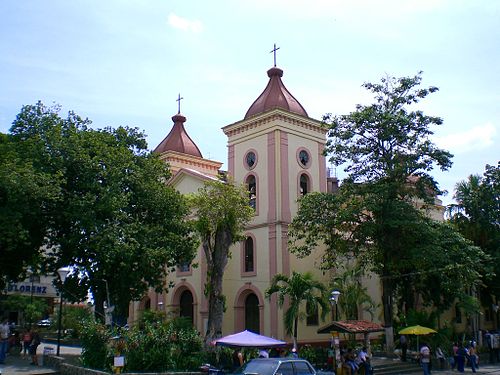
Cúa is a city located in the state of Miranda, Venezuela. It serves as the capital of the municipality of Urdaneta and is situated approximately 30 kilometers southwest of the capital city, Caracas. Cúa lies in the central highlands of the country, at an elevation of around 800 meters above sea level. The city has experienced significant growth in recent years, partly due to urban migration and its proximity to the national capital. With a population estimated at over 200,000 inhabitants, Cúa has emerged as an important urban center in the region, characterized by its lively atmosphere and a mix of rural and urban environments.
The city's economy is largely influenced by agriculture, commerce, and small-scale manufacturing. Cúa is known for its agricultural production, particularly in the cultivation of coffee, sugarcane, and tropical fruits. Local markets provide a vital platform for farmers to sell their goods, which contributes to the economic vitality of the area. In recent years, residents have faced challenges resulting from the broader economic crisis affecting Venezuela, including high inflation and shortages of basic goods. Despite these challenges, community resilience has been observed as locals adapt to changing conditions and seek innovative ways to sustain their livelihoods.
Cúa is also noted for its cultural heritage, with a blend of traditions that reflect the diverse history of Venezuela. The city hosts various religious and cultural celebrations throughout the year, highlighting folk music, dance, and local cuisine. Landmarks in and around Cúa include several churches and parks that serve as gathering spots for residents and visitors alike. As part of Miranda state, Cúa benefits from its regional connectivity, making it a vital link between urban and rural areas. Overall, while Cúa faces challenges common to many Venezuelan cities, it continues to embody the spirit of its community through its economic activities, cultural richness, and strategic location.
Facts about Cúa
- Cúa is known for its historical significance as it was one of the first cities founded in Venezuela, established in 1586.
- The city is located in the Miranda state, near the capital city of Caracas, making it a key urban area in terms of accessibility and transport.
- Cúa has a notable cultural heritage, with traditional festivals that celebrate its local history, including the Feast of Our Lady of the Rosary, its patron saint.
- Cúa is part of the Greater Caracas metropolitan area, which gives it unique socio-economic dynamics compared to more rural towns in Venezuela.
- The city features architectural landmarks such as the Church of San Juan Bautista, which showcases colonial-era design.
- Cúa has a reputation for agricultural production, particularly in the cultivation of flowers and fruits, distinguishing it from other industrial towns.
- The city plays an important role in transportation, with major highways connecting it to Caracas and surrounding regions, making it a hub for commuters.
- Cúa is home to numerous educational institutions, including universities and technical programs, contributing to a higher literacy rate than many rural areas.
- In recent years, Cúa has also become known for its community initiatives focused on social development and improving living conditions.
- The city's climate is characterized by a pleasant tropical climate, which supports its agricultural activities and attracts visitors looking for a temperate environment.