Cuautitlán, Mexico
- 108,449 people
- 16 places to visit
- 19.6727, -99.1649
Places to Visit (16)
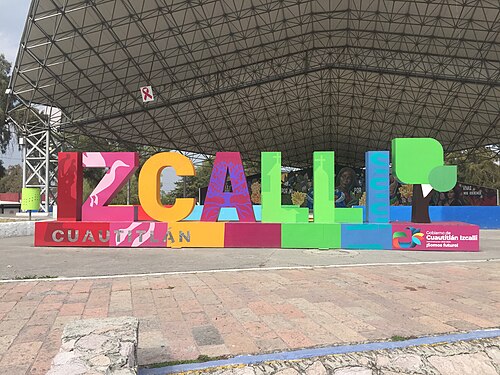
Cuautitlán is a significant city located in the State of Mexico, just north of Mexico City. As part of the Greater Mexico City metropolitan area, Cuautitlán serves as an important industrial and commercial hub. Historically, the region has deep roots, as it was inhabited by indigenous groups such as the Mazahua and Nahua people before the Spanish conquest. The city was officially founded in the late 16th century and has since evolved into a vibrant urban area. Its strategic location near major roadways has facilitated economic growth and attracted a diverse population, making it a melting pot of cultures and traditions.
Today, Cuautitlán is recognized for its rapid urban development and industrialization. The city features a mix of residential, commercial, and industrial zones, housing various manufacturing plants, warehouses, and distribution centers, which contribute significantly to its economy. The area is particularly known for its production of textiles, food products, and consumer goods. Cuautitlán is also home to several educational institutions, including primary and secondary schools, and has access to higher education facilities, which play vital roles in the community’s development.
In addition to its economic activities, Cuautitlán boasts cultural and recreational attractions. The city has various parks, plazas, and local markets that reflect its rich heritage. Among notable landmarks are the Parroquia de San Juan Bautista, a historic church, and several colonial-era structures that provide insight into the city’s past. Community events and festivals celebrating local traditions, including the Day of the Dead and Carnival, highlight the cultural vibrancy of Cuautitlán. As it continues to evolve, Cuautitlán remains an essential part of the Mexico City metropolitan area, balancing its historical roots with modern urban challenges and opportunities.
Facts about Cuautitlán
- Cuautitlán was one of the first settlements in the Valley of Mexico, established long before the Spanish conquest, with a rich pre-Hispanic history.
- The town is known for its proximity to the ancient city of Teotihuacan, which is a UNESCO World Heritage Site and one of the most significant archaeological sites in Mexico.
- Cuautitlán is recognized for its agricultural heritage, particularly bean cultivation, and has a long-standing tradition of farming that distinguishes it from urbanized areas.
- The city hosts the 'Fiesta de la Candelaria' on February 2nd, a vibrant cultural event that features religious processions, music, and traditional foods.
- Cuautitlán is home to the historic 'Parroquia de San Juan Bautista', a church constructed in the 16th century that showcases colonial architecture and local art.
- The area is part of the larger Mexico State and has seen significant urban development, which contrasts with its original agrarian roots.
- Cuautitlán is notable for the presence of the 'Museo Casa de la Cultura', which promotes local art, culture, and history through various exhibitions and workshops.
- The city is linked to significant historical figures, including Don Miguel Hidalgo y Costilla, the father of Mexican independence, who passed through the region.
- Cuautitlán is strategically located near Mexico City, making it an important hub for commerce and transportation, distinct from many smaller towns that remain isolated.
- In recent years, Cuautitlán has developed a reputation for its industrial parks, attracting businesses and contributing to regional economic growth, differentiating it from predominantly residential towns.