Cuautla, Mexico
- 157,336 people
- 13 places to visit
- 18.8126, -98.9548
Places to Visit (13)
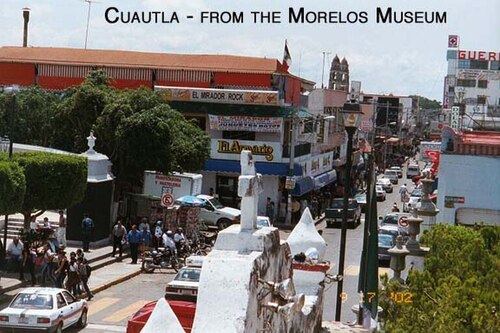
Cuautla is a historical city located in the state of Morelos, Mexico, approximately 90 kilometers south of Mexico City. Founded in the mid-16th century, it has become notable for its rich history and cultural significance. The city played a crucial role during the Mexican War of Independence, with various battles occurring in the region. Cuautla is often remembered for the 1811 Siege of Cuautla, where insurgent leader José María Morelos y Pavón successfully held off Spanish forces for over two months. The city’s name originates from the Nahuatl language, meaning "place where the rabbits abound," reflecting its indigenous roots and agricultural heritage.
Cuautla’s climate is classified as subtropical highland, featuring warm temperatures and a rainy season between June and September. The landscape is enriched by the nearby Popocatépetl volcano, one of Mexico’s most iconic peaks. Culturally, Cuautla is known for its vibrant traditions and festivals, particularly the Carnival, which showcases colorful parades, music, and dance. The city is also home to several historical sites, including the former Convent of San Mateo, which is recognized as a UNESCO World Heritage Site, and the Casa de Morelos, a museum dedicated to the life and contributions of Morelos. The local economy is predominantly based on agriculture, manufacturing, and tourism, attracting visitors with its historical heritage and natural beauty, including the nearby hot springs that draw those seeking relaxation and wellness. Today, Cuautla stands as a testament to Mexico’s diverse cultural tapestry and its ongoing evolution.
Facts about Cuautla
- Cuautla was the site of the pivotal Siege of Cuautla during the Mexican War of Independence, making it historically significant in the fight against Spanish rule.
- The city is known for its hot springs, with the 'Agua Hedionda' springs being a popular attraction for both locals and tourists seeking therapeutic benefits.
- Cuautla is home to the Casa de Morelos, the former residence of insurgent leader José María Morelos, who played a crucial role in Mexico’s independence movement.
- The city hosts the annual Feria de Cuautla, a vibrant festival that showcases local culture, crafts, and cuisine, attracting visitors from across the region.
- Cuautla's historic center includes colonial architecture, such as the San Diego Church, which is notable for its unique baroque facade.
- The nearby volcanic landscape of Popocatépetl offers stunning views and unique outdoor activities, distinguishing Cuautla’s geographic appeal.
- Cuautla is known as the 'City of Eternal Spring' due to its pleasant climate year-round, setting it apart from many other cities in Mexico.
- The city plays a key role in Mexico’s agricultural industry, particularly in the cultivation of sugar cane and tropical fruits, contributing to its economic identity.
- Cuautla has a significant historical connection to the Mexican Revolution, serving as a base for revolutionary leaders and various military activities.
- The city’s transportation infrastructure, including the Cuautla airport, enhances its connectivity and accessibility compared to smaller towns in the region.