Cuenca, Spain
- 55,866 people
- 13 places to visit
- 40.0704, -2.1374
Places to Visit (13)
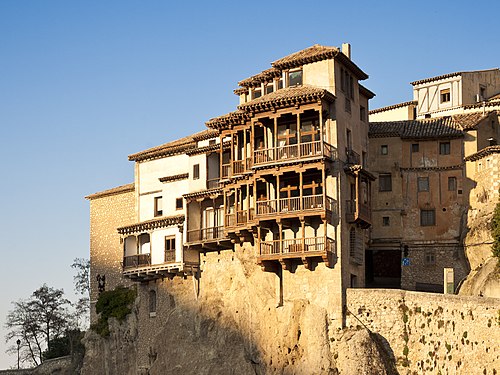
Cuenca, a city located in the autonomous community of Castilla-La Mancha in central Spain, is renowned for its rich history and stunning architecture. Founded in the 8th century by the Moors, Cuenca became an important cultural and strategic center. Its historical significance was recognized in 1996 when the old town was designated a UNESCO World Heritage Site. The city is particularly famous for its “ Casas Colgadas” or Hanging Houses, which precariously cling to the cliffs above the Huécar River, creating a dramatic skyline. These unique structures, along with the Gothic-style Cuenca Cathedral and the preserved medieval layout of the city, attract thousands of visitors each year.
Cuenca is situated on a rocky hilltop at an elevation of approximately 946 meters, which contributes to its picturesque landscape and the beautiful surrounding natural scenery, including the nearby Cuenca Mountains. The city’s population is around 55,000 residents who enjoy a mix of traditional and contemporary Spanish life. Cuenca hosts several annual festivals that reflect its cultural heritage, such as the Semana Santa (Holy Week) celebrations, known for their solemn processions and elaborate religious imagery. Additionally, the city offers various outdoor activities, including hiking and exploring natural parks, making it a popular destination for both history enthusiasts and nature lovers. With its architectural marvels, historical legacy, and vibrant community, Cuenca serves as a captivating window into Spain’s past and present.
Facts about Cuenca
- Cuenca is famous for its 'hanging houses' (Casas Colgadas), which are built on the edges of steep cliffs and date back to the 15th century.
- The city has been declared a UNESCO World Heritage site for its unique historical architecture and the natural beauty surrounding it.
- Cuenca is known for the annual 'Semana Santa' (Holy Week) celebrations, which are recognized for their impressive processions and cultural significance.
- The ancient cathedral of Cuenca, built between the 12th and 13th centuries, features a unique blend of Romanesque and Gothic architectural styles.
- Cuenca’s unique geographical position between two rivers, the Huécar and the Júcar, provides it with stunning natural landscapes and outdoor activities.
- The city has a rich history dating back to the Moors; it was once a significant Islamic stronghold before being taken by Christian forces in 1177.
- Cuenca is home to the Museo de Arte Abstracto Español, showcasing one of the most important collections of abstract art in Spain within a former medieval house.
- The city hosts the 'Cuenca International Film Festival,' an annual event promoting cinema and showcasing a variety of film genres.
- Cuenca has a unique red ceramic pottery tradition known as 'Cuenca pottery,' which is recognized for its vibrant colors and distinctive designs.
- The city’s location in the mountainous region of Castilla-La Mancha makes it a prime spot for enjoying both cultural and natural tourism.