Cuiabá, Brazil
- 618,124 people
- 14 places to visit
- -15.5955, -56.0926
Places to Visit (14)
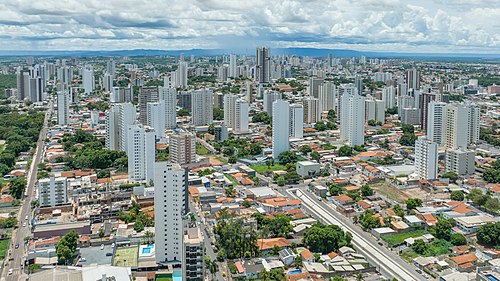
Cuiabá, the capital of the state of Mato Grosso in Brazil, is a city known for its unique geographical position at the intersection of major transportation routes and its rich cultural heritage. Founded in 1719 during the gold rush, Cuiabá quickly evolved from a small mining settlement into an important urban center. Today, it is a vibrant city with a population of over 600,000 residents, making it one of the largest cities in the Central-West region of Brazil. The city is situated at the confluence of the Cuiabá and Coxipó rivers and lies close to the Pantanal wetlands, one of the world’s largest tropical wetlands, renowned for its diverse wildlife and biodiversity.
Cuiabá has a tropical savanna climate characterized by a dry season from April to September and a rainy season from October to March. As an administrative, economic, and cultural hub, the city is home to various educational institutions, government offices, and a growing service sector. Its economy is primarily based on agriculture, livestock, and tourism, benefiting from its proximity to natural attractions like the Pantanal and the Chapada dos Guimarães National Park. The city's architecture mixes colonial buildings and modern structures, reflecting its historical roots and contemporary growth. Cultural events, such as the Festival of Folklore and the Festa do Peão, celebrate local traditions and attract visitors from all over Brazil.
Cuiabá is also notable for its gastronomy, showcasing a blend of indigenous, Portuguese, and African influences. Dishes like "arroz com pequi" (rice with pequi fruit) and "pacu na brasa" (grilled pacu fish) highlight the region's culinary uniqueness. A city marked by vibrant street markets, colorful festivals, and a rich history, Cuiabá serves as an important gateway to the natural wonders of Brazil while maintaining its distinct regional identity. As the state capital, it plays a crucial role in the administration and development of Mato Grosso, making it a key player in the larger economic and cultural landscape of Brazil.
Facts about Cuiabá
- Cuiabá is the capital of the state of Mato Grosso and is known as the 'Gateway to the Pantanal', one of the world's largest tropical wetlands.
- The city's founding in 1719 is linked to the Brazilian gold rush, making it an important historical mining town during colonial times.
- Cuiabá has a unique cuisine that blends indigenous ingredients and influences from Portuguese, African, and other immigrant cultures, with dishes like 'pintado na brasa' (grilled catfish) being popular.
- The city experiences some of the highest temperatures in Brazil, with average summer highs often exceeding 40°C (104°F).
- Cuiabá is home to the Arena Pantanal, one of the venues for the 2014 FIFA World Cup, showcasing the city's role in international sports.
- The city's historic center features well-preserved colonial architecture, with landmarks like the Metropolitan Cathedral of Cuiabá and the Church of Our Lady of the Rosary.
- Cuiabá is also known for its vibrant cultural scene, including festivals such as the 'Festa de São Benedito' and the 'Festa do Divino', which celebrate local traditions and folklore.
- The Cuiabá River, which flows through the city, is a key element of its geography and has historical significance for transportation and agriculture.
- Cuiabá is considered a cultural melting pot, with diverse ethnic groups contributing to its social fabric, including indigenous populations and immigrants from around Brazil and beyond.
- The Pantanal region surrounding Cuiabá is recognized as a UNESCO World Heritage Site, attracting ecotourism and wildlife enthusiasts from around the world.