Culiacán, Mexico
- 808,416 people
- 17 places to visit
- 24.8091, -107.394
Places to Visit (17)
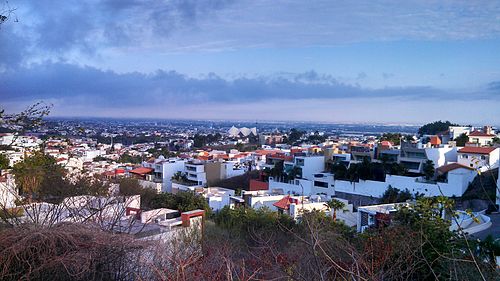
Culiacán, the capital city of the Mexican state of Sinaloa, is a significant cultural and economic center located in the northwest region of the country. Founded in 1531 by Spanish explorer Nuno de Guzmán, the city has grown from a small settlement into an urban area with over 600,000 residents, making it one of the largest cities in Mexico. Situated along the banks of the Culiacán River and surrounded by the Sierra Madre Occidental mountains, Culiacán enjoys a semi-arid climate with warm temperatures year-round. The city serves as an important agricultural hub, known particularly for its production of crops such as tomatoes, beans, and various tropical fruits. Its strategic location connects it to major transport networks, contributing to its role as a center for commerce and trade in the region.
Culiacán is rich in cultural heritage, offering numerous attractions that reflect its historical significance and contemporary life. The city's vibrant arts scene is showcased in various museums and galleries, with the most notable being the Museo de Arte de Sinaloa, which hosts a collection of Mexican and international art. Additionally, the city's architecture features colonial-era buildings, such as the Cathedral of Culiacán and the palatial government buildings, which highlight its historical roots. Local festivals, including the Culiacán Carnival, celebrate the city’s traditions and foster community spirit, attracting visitors from around the region. Despite facing challenges related to crime and drug trafficking, Culiacán continues to thrive, with efforts made by the local government and communities to promote safety, education, and economic development. As a city that balances its rich past with modern aspirations, Culiacán represents a unique blend of culture, industry, and resilience in Mexico’s diverse landscape.
Facts about Culiacán
- Culiacán is the capital of the state of Sinaloa and is known as the 'Land of the Sinaloa Cartel,' a famous drug trafficking organization that has significantly influenced the city's history and culture.
- The city hosts the annual Culiacán International Festival, a cultural event that attracts artists and performers from around the world, showcasing music, dance, and art.
- Culiacán is home to the Botanical Garden of Culiacán, which is unique for its extensive collection of native and tropical plants, as well as its innovative use of landscaping.
- The city features the impressive Culiacán Cathedral, which was completed in the late 19th century and is known for its stunning neo-classical architecture and beautiful interiors.
- Culiacán is often referred to as the 'Pearl of the Northwest' due to its significant agricultural output, particularly in the production of tomatoes, cucumbers, and avocados.
- The city has a rich sporting culture, hosting one of the most successful baseball teams in Mexico, the Tomateros de Culiacán, who have won multiple national championships.
- Culiacán is notable for its cuisine, especially seafood dishes, and is famous for its local delicacies such as 'aguachiles' and 'sopes de mariscos.'
- The city played an important role in the Mexican Revolution and has several historical landmarks that relate to this period, including the Plaza de los 3 Grandes.
- Culiacán has been recognized for its efforts in urban sustainability and is implementing various green initiatives to enhance the livability of the city.
- It is the birthplace of various prominent figures in various fields, including renowned author and Nobel laureate Mario Vargas Llosa who has connections to the region.