Cumberland MD, United States
- 20,130 people
- 16 places to visit
- 39.6529, -78.7625
Places to Visit (16)
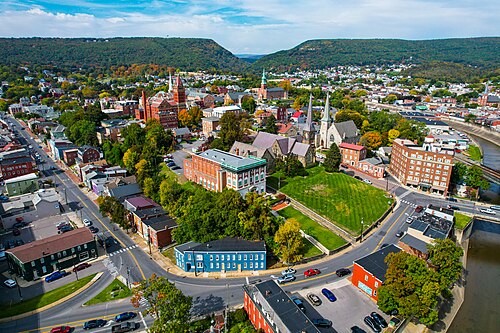
Cumberland, Maryland, is a city located in Allegany County in the western part of the state. Nestled in the Appalachian Mountains, it lies at the junction of the Potomac River and Will's Creek. Founded in 1787, Cumberland quickly developed into a significant transportation hub due to its strategic location along important trade routes. The city's growth was catalyzed in the 19th century by the construction of the Chesapeake and Ohio Canal and the arrival of the railroad, which facilitated trade and commerce. Cumberland's historical significance is accentuated by its role in the westward expansion of the United States, serving as a launching point for settlers heading into the frontier.
Today, Cumberland is known for its rich history and cultural heritage. The downtown area features numerous historical buildings and sites, including the Allegany Museum, which showcases the city's industrial past and its contributions to the railroad era. The city has embraced its natural surroundings, with several parks and outdoor recreational opportunities available in the vicinity, such as canal trails and hiking in nearby mountains. Additionally, Cumberland serves as a focal point for art and music, hosting events like the annual Cumberland Jazz Festival and offering activities through the local art community. With a population of approximately 20,000, Cumberland continues to thrive as a small city embodying the charm of rural America, while also embracing the complexities of modern living.
Facts about Cumberland
- Cumberland was once known as the 'Queen City' due to its historical significance as a transportation hub in the 19th century, particularly as a key stop on the National Road and the western terminus of the Chesapeake and Ohio Canal.
- The city is home to the oldest continuously operating theater in the United States, the historic Carnegie Theatre, which opened in 1899.
- Cumberland hosts the annual 'Queen City Bike Fest,' celebrating its rich cycling culture and picturesque trails, including the Great Allegany Passage, a part of the Great American Rail-Trail.
- The city was a significant railway junction during the Civil War, with numerous regiments passing through and various military strategies being developed in the area.
- Cumberland's downtown district features several buildings listed on the National Register of Historic Places, showcasing its rich architectural history from the 19th and early 20th centuries.
- The city is located at the confluence of the Potomac River and Wills Creek, providing a unique natural landscape that has been central to its development and recreational activities.
- Cumberland was the birthplace of the famous folk music artist, John McCutcheon, known for his contributions to contemporary folk music and activism.
- The city has a robust outdoor recreation scene, with the nearby Rocky Gap State Park offering camping, hiking, and fishing opportunities, distinguishing it as a hub for outdoor enthusiasts in Western Maryland.
- Cumberland has a rich industrial history, particularly known for its production of glass and iron in the 19th century, contributing to the local economy and workforce development.
- The city is also home to the Western Maryland Scenic Railroad, a popular tourist attraction that offers scenic train rides through the beautiful Appalachian Mountains.