Cumberland RI, United States
- 34,843 people
- 11 places to visit
- 41.9722, -71.4062
Places to Visit (11)
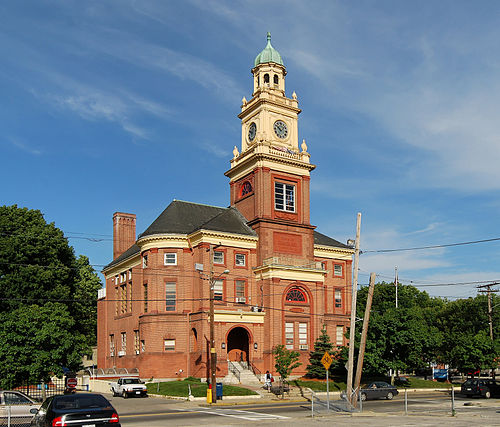
Cumberland, Rhode Island, is a town nestled in the northwestern part of the state, bordering Massachusetts. With a population of around 34,000 residents, it is known for its suburban character and vibrant community. Founded in 1746, Cumberland has a rich history that reflects its colonial past, where it initially developed as a farming community and a center for industrial activity, particularly in textiles and manufacturing during the 19th century. The town’s name is derived from the English county of Cumberland, a nod to its early settlers’ heritage. Over the years, Cumberland has transformed into a predominantly residential community, attracting families drawn to its quality of life, good schools, and access to outdoor recreation.
Cumberland boasts a mix of historical sites and modern amenities, making it appealing to both residents and visitors. The town has several parks, including the popular Diamond Hill State Park, which provides opportunities for hiking, fishing, and picnicking. The amenities are complemented by a range of recreational and cultural activities, fostered by community organizations and local government initiatives. The town is served by well-regarded school systems and various local events, promoting a strong sense of community. Additionally, Cumberland’s close proximity to Providence, the capital of Rhode Island, allows for easy access to urban attractions while maintaining a semi-rural atmosphere. Overall, Cumberland successfully combines its historical roots with modern living, establishing itself as a desirable location in Southern New England.
Facts about Cumberland
- Cumberland, Rhode Island, is known for its rich history in the textile industry, particularly during the 19th century, which played a significant role in the town's development.
- The city is home to the World War I Memorial, which is one of the few standing memorials dedicated to residents of Cumberland who served in the Great War.
- Cumberland is part of the Blackstone River Valley National Heritage Corridor, an area celebrated for its historical significance in America's industrial revolution.
- The town features the Cumberland-Lincoln Little League, one of the largest and most successful little league programs in Rhode Island, encouraging youth sports and community involvement.
- Cumberland boasts several scenic parks, including the large and historic Diamond Hill Park, offering hiking trails and stunning views of the surrounding area.
- The city has a unique 'Cumberland Fest' event, which is a celebration of community and local culture featuring crafts, food, and entertainment.
- Cumberland is the site of the famous Cumberland State Park, which includes well-preserved natural landscapes and recreational opportunities for residents and visitors alike.
- The town has a strong commitment to preserving its open spaces, with numerous community parks and nature reserves that promote environmental stewardship.
- Cumberland's historic district includes many preserved antebellum homes and buildings, showcasing the architectural diversity and history of the region.
- The city is also notable for the Cumberland Public Library, which has served as a cultural and educational hub for the community since its establishment.