Curepipe, Mauritius
- 78,618 people
- 9 places to visit
- -20.3171, 57.5265
Places to Visit (9)
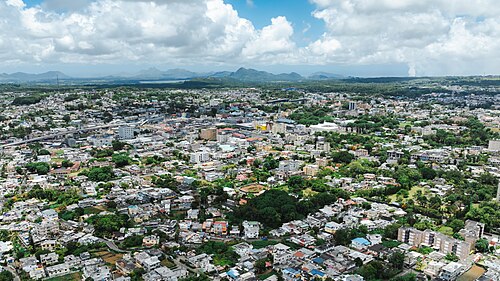
Curepipe is a prominent town located in the PlainesWilhems District of Mauritius, situated at an elevation of approximately 550 meters above sea level. Known for its cooler climate, Curepipe is the second-largest city in Mauritius, after Port Louis, the capital. The town was founded in the 19th century and quickly developed into a popular residential area, known for its distinctly English architectural influences and well-planned urban layout. It serves as a significant economic and social hub in the region, with a mix of residential, commercial, and industrial activities. The local economy relies on various sectors, including retail, services, and small-scale manufacturing.
Curepipe is also recognized for its rich cultural heritage and lush natural surroundings. The town is home to several parks and gardens, including the famous Curepipe Botanical Garden, which showcases a diverse collection of indigenous and exotic plant species, making it a popular destination for both locals and tourists. Among its landmarks, the town is notable for the Curepipe Mall and the vibrant central market, where visitors can experience the local culture and cuisine. The town also hosts various educational institutions, providing access to quality education in the region. Curepipe’s strategic location allows for easy access to other parts of the island, contributing to its growth and appeal as a residential area. With its blend of history, culture, and natural beauty, Curepipe remains a significant town in Mauritius, attracting both residents and visitors alike.
Facts about Curepipe
- Curepipe is known for its cooler climate, making it one of the few places in Mauritius that experiences a more temperate weather due to its elevation.
- The city is home to the famous Trou aux Cerfs, a dormant volcanic crater and scenic viewpoint that attracts many tourists and locals alike.
- Curepipe hosts the largest and one of the earliest shopping malls in Mauritius, known as 'Curepipe St. Therese', featuring a mix of local and international brands.
- The town is recognized as a cultural hub of Mauritius, with a variety of artistic events and festivals that reflect the island’s diverse heritage.
- Curepipe features several historic colonial buildings, including the St. Joseph's Church, which is noted for its unique architectural style and stained-glass windows.
- It is famed for its unique blend of local craftsmanship, particularly in embroidery and handmade products, which are often sold in small shops throughout the city.
- Curepipe is also known for its lush botanical gardens, particularly the Curepipe Botanical Garden, which focuses on the conservation of various plant species endemic to Mauritius.
- The city was founded in the early 19th century and has a rich history tied to the development of the island during the colonial period.
- Curepipe is considered the center for the textile and garment industry in Mauritius, contributing significantly to the economy and providing employment opportunities.
- It is famous for its local delicacy, 'rougaille', and other traditional Mauritian cuisine, often highlighted in food festivals throughout the year.