Curitiba, Brazil
- 1,948,626 people
- 15 places to visit
- -25.4269, -49.2652
Places to Visit (15)
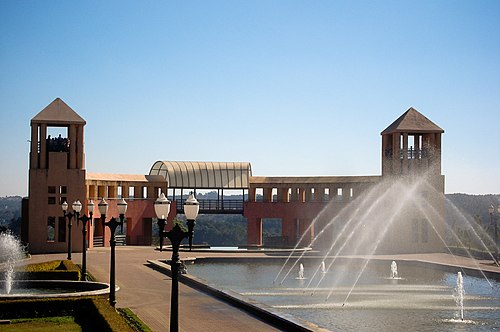
Curitiba, the capital of the southern Brazilian state of Paraná, is a city renowned for its innovative urban planning and environmental consciousness. Located on a plateau at an altitude of about 934 meters, Curitiba has a population of approximately 1.9 million inhabitants, making it one of Brazil's largest cities. Established in 1693, it gained prominence in the 19th century due to the influx of immigrants from Europe, particularly Germans, Italians, and Ukrainians, which significantly influenced its culture and architecture. The city's rich history is reflected in its diverse neighborhoods, parks, and cultural institutions, such as the Oscar Niemeyer Museum, named after the influential Brazilian architect who designed several iconic buildings in the city.
Curitiba is often praised for its sustainable urban development strategies. In the 1970s, the city adopted an innovative public transportation system featuring dedicated bus lanes that have since become a model for urban transit globally. This Bus Rapid Transit (BRT) system allows for efficient and cost-effective service, significantly reducing traffic congestion and pollution. Additionally, Curitiba is well-known for its extensive green spaces, with over 50 parks and natural reserves that promote biodiversity and provide recreational opportunities for residents. The city's commitment to sustainability is also evident in its initiatives for recycling and waste management, which aim to minimize environmental impact and promote a greener lifestyle.
Culturally, Curitiba is vibrant and diverse, hosting various festivals and events throughout the year. Notable attractions include the historic downtown area, where visitors can explore colonial-era buildings, and the lively markets that showcase local crafts and foods. The city's dedication to the arts is highlighted by numerous theaters, galleries, and public art installations. With its combination of progressive urban planning, cultural richness, and a strong focus on sustainability, Curitiba serves as a model for cities worldwide striving for a balance between development and environmental stewardship.
Facts about Curitiba
- Curitiba is known for its innovative urban planning and was awarded the title of 'World Capital of Sustainability'.
- The city has an extensive and efficient bus rapid transit system, which has served as a model for public transport in cities worldwide.
- Curitiba's population is known for its high levels of education, with many residents holding higher education degrees compared to other Brazilian cities.
- The city's parks and green spaces cover about 52 square meters per inhabitant, making it one of the greenest cities in Brazil.
- Curitiba is home to the famous Wire Opera House (Ópera de Arame), an iconic structure that reflects the city's commitment to cultural expression.
- The city has a unique recycling program that allows residents to exchange recyclable materials for food, benefiting both the environment and the community.
- Curitiba boasts a rich immigrant history, particularly from Europe, which has influenced its culture, architecture, and cuisine.
- The city's historic district, Largo da Ordem, hosts one of the largest street markets in Brazil, drawing visitors for its crafts and local produce.
- Curitiba celebrates the 'Festival de Teatro de Curitiba', one of the most important theater festivals in Latin America, attracting artists from various genres.
- The Botanical Garden of Curitiba, with its stunning greenhouse and diverse plant species, is a prominent symbol of the city's dedication to nature.