Cuxhaven, Germany
- 52,677 people
- 13 places to visit
- 53.8593, 8.6879
Places to Visit (13)
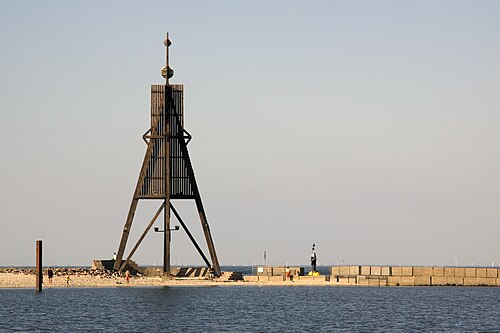
Cuxhaven is a coastal city located in Lower Saxony, Germany, situated at the junction of the Elbe River and the North Sea. With a population of around 50,000, it is an important port and resort town known for its maritime heritage and access to the Wadden Sea, a UNESCO World Heritage site that boasts a unique ecosystem and extensive tidal flats. The city is approximately 120 kilometers northeast of Hamburg, making it a popular destination for tourists seeking beach activities and maritime experiences. As a historically significant fishing and trading port, Cuxhaven has a rich nautical history, which is reflected in its numerous museums, such as the Cuxhaven Maritime Museum and the Kugelbake lighthouse, a notable symbol of the city.
Cuxhaven serves as a departure point for ferry services to Helgoland, an island known for its distinct red cliffs, and is a hub for offshore wind farms, emphasizing its role in renewable energy production. The city's waterfront features a variety of recreational facilities, including beaches, promenades, and parks, attracting visitors throughout the summer months. Events such as the Cuxhaven Fish Market, held annually, celebrate local seafood traditions and draw significant crowds. With its diverse range of activities, from windsurfing and sailing to cycling along the scenic coastline, Cuxhaven also caters to nature enthusiasts, providing opportunities for bird-watching and hiking in the surrounding landscapes. Overall, Cuxhaven combines historical significance with modern recreational offerings, making it a unique destination on Germany's North Sea coast.
Facts about Cuxhaven
- Cuxhaven is uniquely positioned at the mouth of the Elbe River, making it a significant port city and a popular starting point for ferry connections to the North Sea islands.
- The city is renowned for its beach and seaside resorts, particularly the 'Cuxhaven Beach' where the Wadden Sea tide creates a unique environment characterized by vast mudflats.
- Cuxhaven hosts the historic Kugelbake, a prominent lighthouse and navigation marker that signifies the boundary between the North Sea and the Elbe, and is a well-known symbol of the city.
- The city is home to the only large-scale kite exhibition in Germany, called the 'Cuxhaven Kite Festival,' held annually at the beach, attracting enthusiasts and visitors from all over.
- During World War II, Cuxhaven was a significant naval base for the German Navy, which is reflected in some of the historical military remnants still visible today.
- Cuxhaven features the Wadden Sea National Park, a UNESCO World Heritage site, known for its exceptional biodiversity and unique coastal ecosystem.
- The city celebrates its maritime heritage with the annual Cuxhaven Fish Market, showcasing fresh catches and local seafood delicacies.
- Cuxhaven is the site of the historic Cuxhaven–Hamburg Railway, which was one of the first railways in Europe and plays a crucial role in regional connectivity.
- Cuxhaven is favored by tourists for its health resorts, particularly known for treatments using the healing properties of the North Sea air and climate.
- The city is an important hub for wind energy, with several offshore wind farms located in the North Sea, contributing significantly to Germany's renewable energy efforts.