Czeladź, Poland
- 34,308 people
- 7 places to visit
- 50.3173, 19.0705
Places to Visit (7)
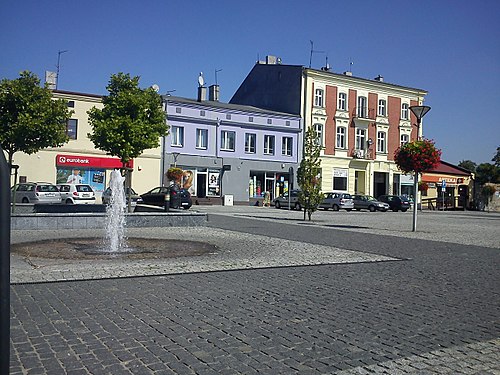
Czeladź is a town located in southern Poland within the Silesian Voivodeship, known for its rich history and cultural significance. Situated approximately 10 kilometers northeast of Katowice, the capital of the voivodeship, Czeladź is part of the Upper Silesian metropolitan area, a region characterized by its industrial heritage and dense population. The town has a population of around 18,000 residents and spans an area of about 12 square kilometers. Czeladź has seen significant development, particularly during the 19th and early 20th centuries, when coal mining became a crucial part of its economy, contributing to the overall industrial growth of the region.
Architecturally, Czeladź features a mix of historical and contemporary buildings, including the Church of St. John the Baptist, which dates back to the 18th century. This neo-Gothic structure stands as a testament to the town's religious roots and community spirit. The local culture is vibrant, with various events celebrating folklore, music, and local traditions. Additionally, Czeladź is home to several parks and recreational areas, offering residents and visitors a space to enjoy the natural environment. Over the years, Czeladź has adapted to the changing economic conditions and has transitioned from its industrial roots to more service-oriented activities, enhancing its regional connectivity and quality of life.
In terms of transportation, Czeladź enjoys excellent links to neighboring towns and cities, especially through the integrated public transport network that encompasses buses and trams. The proximity to major highways also facilitates easy access to other parts of Poland and beyond. As a town with a balance of historical significance and modern-day conveniences, Czeladź continues to attract attention as an emerging focal point within the Silesian region. Its unique character, shaped by both its past and ongoing developments, makes it a notable location in Poland's urban landscape.
Facts about Czeladź
- Czeladź is one of the oldest towns in the Silesian Voivodeship, with its roots dating back to the early Middle Ages.
- The city is known for its rich coal mining history, having played a significant role in the industrial development of the region during the 19th and 20th centuries.
- Czeladź is home to the historic Church of St. John the Baptist, which was built in the 14th century and showcases unique Gothic architectural elements.
- The town hosts an annual Summer Festival, which celebrates local culture, music, and cuisine, making it a highlight for residents and visitors alike.
- Czeladź has a unique geographical feature, lying in the Silesian Highlands, providing an interesting landscape compared to many other Polish cities.
- The city has established green spaces such as the Czeladź Park, which offers recreational opportunities and is a testament to the city's commitment to enhancing the environment.
- Czeladź is part of the Silesian Metropolitan Area, which is one of the largest urban agglomerations in Poland, connecting it to various economic and cultural activities.
- The city has a strong tradition of local craftsmanship, particularly in metalwork, which has been passed down through generations.
- Czeladź was the birthplace of notable Polish artist and painter Feliks Koneczny, who contributed significantly to the cultural heritage of the region.
- As a part of Upper Silesia, Czeladź has a unique blend of Polish and German influences in its architecture, culture, and cuisine, setting it apart from many other Polish towns.