Częstochowa, Poland
- 248,125 people
- 13 places to visit
- 50.8118, 19.1203
Places to Visit (13)
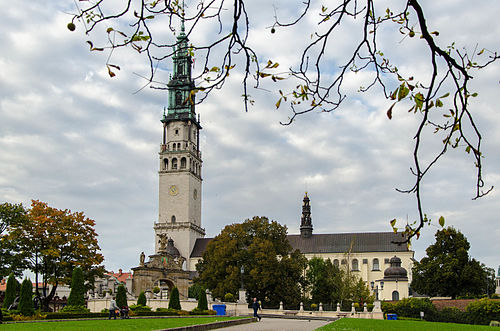
Częstochowa is a city in southern Poland and is the capital of the Częstochowa Voivodeship. Situated along the Warta River, it lies in the Silesian Highlands, approximately 220 kilometers southwest of Warsaw. With a population of around 220,000, Częstochowa is one of Poland's prominent urban centers, known for its rich history and cultural heritage. The city has developed an industrial base, primarily in sectors such as manufacturing, particularly in textiles and machinery, alongside significant agricultural influence from its surrounding areas. As of the early 21st century, Częstochowa has diversified its economy through investments in technology and services, while still honoring its historical roots in coal and steel production.
One of Częstochowa's most notable landmarks is the Jasna Góra Monastery, a significant pilgrimage site for Roman Catholics. It houses the revered icon of the Black Madonna, which attracts millions of visitors annually, particularly during the August pilgrimage. This monastery, founded in 1382, is not only a spiritual center but also an important symbol of Polish nationalism, especially during times of foreign occupation and the struggles for independence. The city features several other ecclesiastical buildings, parks, and museums that reflect its historical significance, including the Museum of Częstochowa, which showcases the region's art and history. Częstochowa is also known for its annual cultural events, such as the Częstochowa Jazz Festival, which draws artists and audiences from across the globe, contributing to the city’s vibrant cultural scene.
Częstochowa's transport infrastructure is well-developed, with access to major highways and railways connecting it to other important cities in Poland. The city also serves as a gateway to the scenic landscapes of the surrounding Jura Krakowsko-Częstochowska region, which is known for its limestone cliffs and natural beauty, attracting eco-tourists and outdoor enthusiasts. As Poland modernizes, Częstochowa continues to balance its historical importance with contemporary growth, making it a city rich in heritage yet poised for future development.
Facts about Częstochowa
- Częstochowa is best known for the Jasna Góra Monastery, home to the Black Madonna, a revered icon in the Catholic Church and a significant pilgrimage site.
- The city hosts the annual 'Czestochowa Jazz Festival,' which attracts international artists and celebrates the vibrant jazz scene in Poland.
- Częstochowa is a major pilgrimage destination, drawing millions of visitors each year, particularly during the summer months, for the Feast of the Assumption.
- The city has a rich history of coal mining, contributing to its development as a significant industrial center in Poland during the 19th and 20th centuries.
- Częstochowa is uniquely situated at the edge of the historic Jura Krakowsko-Częstochowska, known for its stunning rock formations and hiking trails.
- The city is home to the Częstochowa Fortress, which played a crucial role during various wars, particularly in the 17th century against Swedish invasions.
- Częstochowa has a vibrant cultural scene, with an array of museums, including the Museum of Częstochowa that showcases local history and art.
- The city is known for its unique architectural juxtaposition, featuring both historic sites like the Jasna Góra Monastery and modern developments.
- Częstochowa was one of the key locations during the Polish-Soviet War and saw significant historical events that shaped Polish national identity.
- The city has a tradition of producing high-quality ceramics and pottery, influenced by its local artisans and craft workshops.