Da Nang, Vietnam
- 988,561 people
- 16 places to visit
- 16.0544, 108.2022
Places to Visit (16)
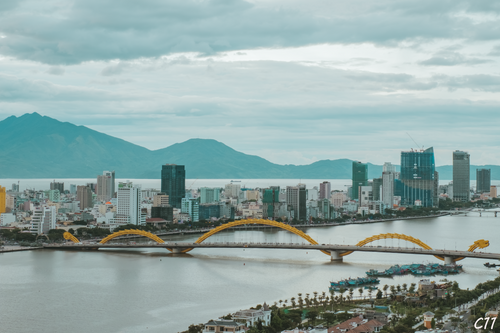
Da Nang, located on the central coast of Vietnam, is the country's fourth largest city and serves as a significant economic, cultural, and transportation hub. The city is nestled between the Annamite Range and the Pacific Ocean, giving it a scenic backdrop that attracts both domestic and international tourists. Da Nang's strategic location, approximately 965 kilometers south of Hanoi and 764 kilometers north of Ho Chi Minh City, makes it a pivotal point for trade and connectivity. The city boasts a rich history, having been a vital port since the Champa Kingdom and later during French colonial rule. Today, Da Nang is known for its rapidly developing infrastructure and modern skyline, which includes numerous hotels, high-rise buildings, and the iconic Dragon Bridge that spans the Han River.
The city's cultural heritage is reflected in its numerous historical sites and museums. Notable attractions include the Marble Mountains, a cluster of five marble and limestone hills, and My Khe Beach, famous for its soft white sands and clear waters. Da Nang is also close to ancient sites such as Hoi An, a UNESCO World Heritage Site, and the Imperial City of Hue, making it an ideal base for exploring central Vietnam. The local cuisine is a highlight for many visitors, featuring dishes such as Mi Quang (turmeric noodles) and Banh Xeo (Vietnamese pancakes). Furthermore, Da Nang's diverse population contributes to a vibrant atmosphere enriched by cultural festivals, art performances, and culinary events that reflect both traditional Vietnamese and contemporary influences.
In recent years, Da Nang has emerged as a popular destination for both domestic and international travelers, largely due to its efforts in promoting tourism and investment. The city's development has been bolstered by the establishment of the Da Nang International Airport, which connects it to major cities within Vietnam and abroad. Da Nang also hosts various international events, such as the Da Nang International Fireworks Festival, which draws thousands of spectators each year. As the city continues to grow, it balances modernization with a commitment to preserving its natural beauty and cultural identity, ensuring that Da Nang remains a unique and appealing destination in Southeast Asia.
Facts about Da Nang
- Da Nang is home to the largest Marble Mountains in Vietnam, a cluster of five marble and limestone hills, each representing one of the five elements.
- The city features the iconic Dragon Bridge, which is the longest dragon bridge in the world and breathes fire and water on weekends.
- Da Nang boasts a unique blend of modern architecture and colonial-era buildings, highlighted by the French-designed Danang Cathedral, known as the ‘Rooster Church’.
- It is known for its sandy beaches, particularly My Khe Beach, which has been recognized as one of the world's top beaches by Forbes magazine.
- Da Nang played a significant role during the Vietnam War, serving as a major military base and experiencing extensive conflict, which is reflected in its historical sites.
- The city is famous for the Golden Bridge held up by giant stone hands, located in the Ba Na Hills, which offers stunning views and has become a hotspot for tourists.
- Da Nang hosts the annual International Fireworks Festival, attracting teams from around the world to showcase their pyrotechnic skills.
- It is a gateway to UNESCO World Heritage Sites, including the ancient town of Hoi An and the historic ruins of My Son, making it a prime location for cultural tourism.
- Da Nang is renowned for its vibrant street food scene, particularly its local specialties such as Mi Quang (Quang noodles) and Banh Xeo (Vietnamese pancakes).
- The city has developed rapidly in recent years, becoming one of Vietnam’s key economic and tourism hubs, known for its modern infrastructure and strategic planning.