Dąbrowa Górnicza, Poland
- 118,285 people
- 17 places to visit
- 50.3217, 19.1949
Places to Visit (17)
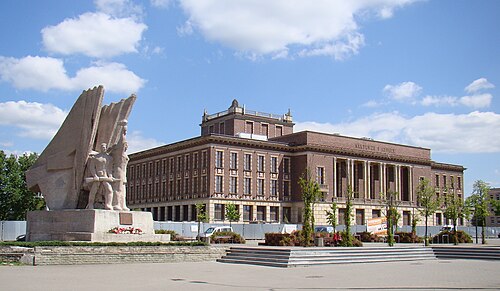
Dąbrowa Górnicza is a city situated in southern Poland, within the Silesian Voivodeship. With a population of approximately 100,000, it is one of the larger urban centers in the region, characterized by its rich industrial history. The city is located at the junction of the Biała and Czarna Przemsza rivers, providing it with advantageous geographical features for water transport and industrial development. Originally known for its mining activities, particularly coal and zinc, Dąbrowa Górnicza has evolved into a significant hub for various industries, including steel and manufacturing. The city's industrial landscape is a reflection of Poland's economic evolution, especially in the post-World War II era when it became a key player in the country's heavy industry.
Dąbrowa Górnicza also boasts a range of cultural and recreational attractions. It is home to numerous parks, such as the famous "Gródy" park, which offers green spaces for leisure activities. The city's cultural heritage includes several historical buildings and monuments, including the church of St. Andrew and the Palace of the Family Dolański, which speaks to the historical significance of the region. Additionally, Dąbrowa Górnicza has a vibrant community life, with various events and festivals celebrated throughout the year, showcasing local traditions and fostering community spirit. The city is also conveniently located near the metropolitan area of Silesia, allowing residents easy access to the larger urban amenities while retaining its unique character. As Dąbrowa Górnicza continues to grow and adapt to modern economic challenges, it maintains a balance between its industrial roots and its cultural aspirations, becoming an essential part of Poland's contemporary landscape.
Facts about Dąbrowa Górnicza
- Dąbrowa Górnicza is known for being one of the key centers of the Upper Silesian industrial region, heavily involved in coal mining and steel production.
- The city was officially established in 1906, although its roots can be traced back to earlier settlements, distinguishing it as a planned industrial city.
- Dąbrowa Górnicza is home to the unique 'Dąbrowa Górnicza's steelworks,' which played a significant role in the development of the Polish economy during the 20th century.
- The city features the modern 'Zagłębie Music Theatre,' which showcases various performances and is a cultural hub in the region.
- The area's natural beauty is highlighted by 'Długoszyn Landscape Park,' offering outdoor activities and rich biodiversity, making it a contrast to the industrial background.
- Dąbrowa Górnicza hosts an annual 'Dąbrowskie Carnival', a vibrant event featuring parades, musical performances, and local culture, celebrating the community's spirit.
- It has a diverse architectural landscape, with landmarks like the Church of Saint Barbara, showcasing a mix of Gothic Revival and modern styles.
- Dąbrowa Górnicza was one of the first cities in Poland to adopt urban planning principles in the early 20th century, with well-defined streets and green spaces.
- The city serves as an important transportation hub, being a junction for several rail lines and major roads, enhancing its connectivity within Poland.
- Dąbrowa Górnicza is also known for its educational institutions, including the University of Dąbrowa Górnicza, which emphasizes practical and vocational training.