Dachau, Germany
- 39,740 people
- 14 places to visit
- 48.2632, 11.4342
Places to Visit (14)
Dachau, a city located about 16 kilometers north of Munich in Bavaria, Germany, has a rich history that marries the typical characteristics of a southern German town with significant historical significance. With a population of approximately 45,000, Dachau is known for its picturesque landscapes, traditional Bavarian architecture, and proximity to natural amenities, including the hills of the Bavarian Jura. The town has a charming old town area, filled with cafes, shops, and historical buildings that attract both tourists and locals. The city’s development can be traced back to the early Middle Ages, and it has maintained elements of its historical charm throughout various periods, including the influence of the Duchy of Bavaria.
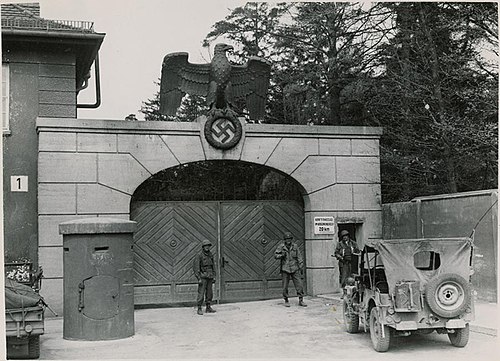
However, Dachau is perhaps best known for its somber history as the site of the first Nazi concentration camp, established in 1933. Initially intended to hold political prisoners, the camp expanded to accommodate thousands of Jews, Roma, homosexuals, and others deemed "undesirable" by the Nazi regime. Over the course of its operation until 1945, tens of thousands died due to inhumane conditions, forced labor, starvation, and executions. Today, the Dachau Concentration Camp Memorial Site serves as a poignant reminder of the atrocities of the Holocaust, attracting visitors from around the world who come to reflect on the past and educate themselves about the dangers of totalitarian regimes. The site includes a museum that documents the history of the camp, personal stories of survivors, and extensive exhibits detailing the broader context of the Holocaust.
In contrast to its troubling past, Dachau has undergone significant transformation in the years following World War II. The city has developed into a vibrant community that honors its history while working towards a more inclusive and hopeful future. Today, Dachau hosts various cultural events and festivals and supports numerous local initiatives. The blend of history and modernity is evident in its educational institutions, which emphasize tolerance and remembrance. As a result, Dachau stands not only as a testament to a dark chapter in history but also as a symbol of reconciliation and the enduring commitment to preventing such atrocities from occurring again.
Facts about Dachau
- Dachau is home to the first Nazi concentration camp, established in 1933, which serves as a memorial and educational site today.
- The Dachau Concentration Camp Memorial Site includes an extensive museum, exhibitions, and restored buildings, drawing millions of visitors each year.
- The city of Dachau was historically known for its pottery and ceramics, with the Dachau artist colony founded in the late 19th century, fostering renowned painters and sculptors.
- Dachau is situated just 20 kilometers northwest of Munich, making it a popular destination for tourists seeking a day trip from the Bavarian capital.
- The city hosts an annual Dachau Festival, celebrating local culture and arts and bringing together the community through various performances and exhibitions.
- Dachau's Old Town features a charming marketplace with historical buildings, including the Gothic-style St. Jakob Church, dating back to the 14th century.
- The Dachau area has a rich natural landscape, including the nearby Dachau Forest, which offers numerous recreational opportunities such as hiking and biking.
- The 'Dachauer Moos' is a unique swampy area near the town, which is significant for biodiversity and provides habitat for various bird species.
- Dachau has been a center for various cultural activities, hosting art galleries, theater performances, and festivals that celebrate local artists and talents.
- The city played a significant role in the development of the 'Dachau Agreement' in 1945, an important post-war agreement between the US and local authorities regarding the administration of the camp.