Dadu, Pakistan
- 139,784 people
- 4 places to visit
- 26.7341, 67.7795
Places to Visit (4)
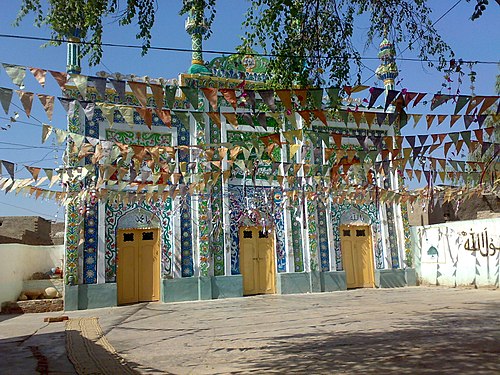
Dadu is a city situated in the Sindh province of Pakistan, serving as the capital of the Dadu District. Positioned approximately 140 kilometers northwest of Karachi, Dadu lies at the confluence of the Indus River and its tributaries, a strategic location that has historically contributed to its agricultural significance. The city was established in the late 19th century and has grown to become a prominent commercial and administrative center in the region. Its population is diverse, comprising various ethnic groups including Sindhis, Muhajirs, and others, reflecting the multicultural fabric of Pakistan.
The economy of Dadu is primarily based on agriculture, with the surrounding fertile plains facilitating the cultivation of cotton, rice, wheat, and sugarcane. The city is also known for its handicrafts, particularly embroidered textiles and traditional pottery, which are valued both locally and in broader markets. Dadu serves as a hub for trade and commerce for the surrounding rural areas, with local bazaars bustling with activity. The city is marked by historical sites, including the Shrine of Shah Abdul Latif Bhitai, a revered Sufi poet, which attracts pilgrims and visitors alike. Additionally, Dadu's infrastructure has witnessed improvements, making it more accessible through road and rail connections, which aid in the movement of goods and people.
Culturally, Dadu hosts various festivals and events that celebrate the heritage of Sindh. The typical Sindhi lifestyle, characterized by traditional music, dance, and cuisine, is vibrant in the city. Education and health facilities have also seen development over the years, with numerous schools, colleges, and hospitals servicing the growing population. Despite facing challenges such as water scarcity and environmental issues, Dadu remains a city of resilience, embracing its historical roots while looking towards the future.
Facts about Dadu
- Dadu is known for its unique geographical location, situated at the confluence of the Dadu River and the Indus River, making it an important point for irrigation and agriculture.
- The city holds historical significance due to its ancient archaeological sites, such as the remnants of the Indus Valley Civilization located nearby in Mohenjo-Daro.
- Dadu is famous for its vibrant culture and is home to the annual Sindh Cultural Festival, which showcases local art, music, and traditions unique to the Sindh region.
- The city's name 'Dadu' is believed to have originated from the Sindhi word 'dado' meaning 'brother', reflecting the local culture of camaraderie.
- Dadu is notable for its large cotton production, contributing significantly to Pakistan's textile industry, unlike many other cities that may focus on different agricultural outputs.
- The Dadu district is rich in natural beauty, with attractions such as the Kakar Lake and the nearby hill ranges, providing unique landscapes not commonly found in urban areas of Pakistan.
- A key landmark in Dadu is the historic 'Sufi shrine of Shah Abdul Latif Bhittai', which attracts numerous visitors and pilgrims every year, highlighting the city's spiritual heritage.
- Dadu is known for its unique traditional cuisine, particularly dishes like Sindhi biryani and 'Sindhi kheer', which differentiate its culinary offerings from other regions.
- Historically, Dadu served as a vital communication hub during the British Raj, facilitating trade and administration, which set it apart as a strategic location in the past.
- Dadu's climate features both arid and semi-arid conditions, contributing to its diverse flora and fauna, making it different from the more humid coastal areas of Pakistan.