Daegu, South Korea
- 2,566,540 people
- 16 places to visit
- 35.8294, 128.5655
Places to Visit (16)
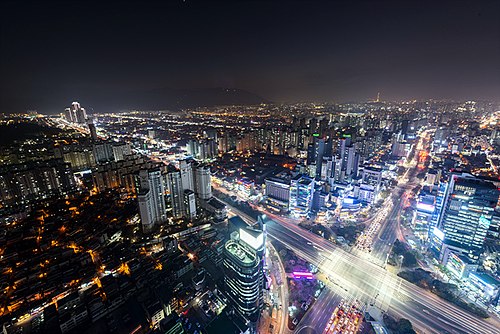
Daegu, the fourth largest city in South Korea, is located in the southeast part of the country, surrounded by mountains and waterways. It serves as the capital of North Gyeongsang Province and has a population of approximately 2.5 million people. Founded during the Silla Kingdom in 57 BC, Daegu has a rich historical background that includes significant cultural and political developments. Today, it stands as a vital economic hub, particularly known for its textile industry, electronics, and medical sectors. The city has also developed a reputation for its high educational standards, home to several universities, including Kyungpook National University, which contributes to the local economy and innovation.
Daegu is renowned for its hot summer climate, characterized by high humidity and temperatures, while winters are typically mild. This climate has influenced the local culture and cuisine, with spicy dishes like "daegu tteokbokki" (spicy rice cakes) and "sundae" (Korean blood sausage) being popular. Among its notable attractions is the Apsan Park, offering hiking trails and breathtaking views of the city. The Dongseongno pedestrian street is another highlight, vibrant with shopping options, street food stalls, and cafes. Daegu also has a rich cultural heritage, which is prominently displayed through its traditional events, such as the annual Daegu Yangnyeongsi Herb Medicine Festival that celebrates the city’s history of herbal medicine. Additionally, Daegu was a notable center for the 2002 World Cup and the 2011 World Championships in Athletics, showcasing its sporting spirit and ability to host international events. As a city that blends tradition with modernity, Daegu continues to thrive as a dynamic part of South Korea's landscape.
Facts about Daegu
- Daegu is known for being the textile capital of South Korea, with a rich history in textile manufacturing dating back to the late 19th century.
- The city hosted the 2011 World Masters Athletics Championships, becoming the first city in Asia to host this prestigious athletics event.
- Daegu is home to the Daegu 83 Tower, which is the second tallest tower in South Korea and offers panoramic views and a revolving restaurant.
- It is known for its unique and vibrant street food culture, particularly its famous spicy chicken feet dish called 'dakgalbi'.
- The city is famous for the annual Daegu Chimac Festival, which celebrates the combination of chicken and beer, attracting thousands of visitors every summer.
- Daegu boasts the historic Seomun Market, one of the oldest traditional markets in South Korea, known for its variety of food, textiles, and crafts.
- It is recognized for its role as a center of Korean democracy during the 1970s, particularly during the April 1979 Daegu Uprising.
- The city has a significant concentration of cultural heritage sites, including the historic Donghwasa Temple, which houses a giant stone Buddha statue.
- Daegu's unique climate, characterized by hot summers and cold winters, contributes to the cultivation of high-quality fruit, particularly apples and grapes.
- The city has a vibrant arts scene, home to the Daegu Art Museum, which focuses on contemporary art and promotes local artists.