Daejeon, South Korea
- 1,469,543 people
- 17 places to visit
- 36.3398, 127.394
Places to Visit (17)
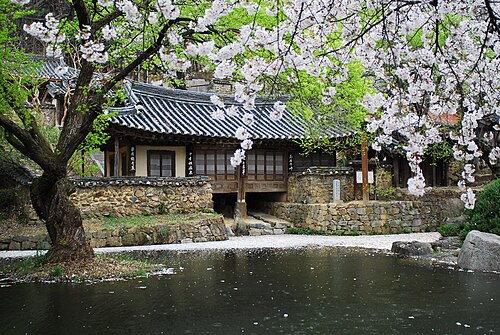
Daejeon is a prominent city located in the central region of South Korea, serving as one of the country's administrative and logistical hubs. Established as a city in 1949, Daejeon has grown significantly and currently ranks as the fifth-largest city in South Korea, with a population of approximately 1.5 million residents. The city is strategically situated at the confluence of major transport routes, making it a critical connector for the country’s road and rail networks. This geographic advantage has fostered its development as a significant center for industry, research, and education.
Daejeon is often referred to as the "Silicon Valley of Korea," primarily due to its concentration of science facilities and research institutes, including the Daejeon Technopolis and the Daedeok Science Town, which is home to a variety of universities and government-sponsored research centers. The city is renowned for its emphasis on innovation, housing several esteemed institutions such as KAIST (Korea Advanced Institute of Science and Technology) and POSTECH (Pohang University of Science and Technology). Additionally, Daejeon features numerous cultural attractions, such as Daejeon O-World, a theme park that combines a zoo and an amusement park, and various historical sites like the Daejeon History Museum, which highlights the city's rich past. The city also hosts major annual events like the Daejeon International Laser Expo and the Daejeon World Urban Forum, enhancing its reputation as a center for global discourse and technological advancement.
In terms of infrastructure, Daejeon boasts a well-developed public transportation system, including a comprehensive subway network and a high-speed rail service that connects it to Seoul and other major cities. The city has embraced urban planning and green initiatives, with numerous parks and recreational areas such as Yuseong Hot Springs, which are popular among residents and tourists alike. Daejeon's climate is characterized by four distinct seasons, with warm summers and cold winters, contributing to a variety of seasonal activities and festivals. Overall, Daejeon represents a dynamic blend of tradition and modernity, making it a significant player in South Korea's economic and cultural landscape.
Facts about Daejeon
- Daejeon is often referred to as the 'Silicon Valley of Korea' due to its strong concentration of research and development institutions.
- The city is home to the Korea Advanced Institute of Science and Technology (KAIST), one of the top science and engineering universities in Asia.
- Daejeon has a significant role in South Korea's national scientific research infrastructure, hosting organizations such as the Korea Institute of Nuclear Safety and the National Institute of Ecology.
- The city was the first to establish a public transportation system based on a subway model, known as the Daejeon Metro, which began operations in 2006.
- Daejeon hosted the 1993 World Expo, themed 'The Living Ocean and Coast', marking it as a key event in the city's international recognition.
- The Hanbat Arboretum, located in Daejeon, is the largest urban arboretum in Korea, showcasing a wide variety of native and exotic plant species.
- Daejeon is strategically located in the geographic center of South Korea, making it a key transportation hub with access to express trains and highways.
- The city hosts the annual Daejeon International Wine Expo, highlighting its emerging status as a center for wine culture in South Korea.
- Daejeon is unique for having the only Science and Technology Festival in the country, celebrating innovations and advancements in various scientific fields.
- The city is surrounded by mountains and has several parks, including the famous Uam Park, which offers stunning views and recreational space for residents and visitors.