Dagupan, Philippines
- 171,271 people
- 14 places to visit
- 16.0433, 120.3333
Places to Visit (14)
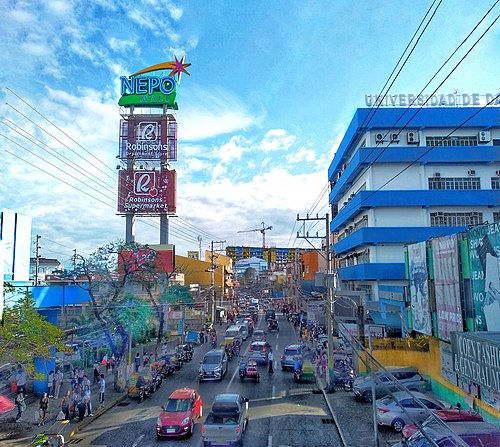
Dagupan is a city located in the province of Pangasinan, Philippines. It is known for its strategic position as a commercial and transportation hub in the region, lying along the Agno River and facing the Lingayen Gulf. The city, which serves as the capital of Pangasinan, boasts a population of approximately 168,000 residents, according to the 2020 census. Dagupan is characterized by its vibrant culture, rich history, and economic activities, making it a vital center for trade, education, and local governance.
Historically, Dagupan has been significant since the Spanish colonial period, becoming an important site for trade and commerce due to its river port. The city played a crucial role during World War II and has since developed into a bustling urban area. Its economy is largely driven by agriculture, aquaculture, and fishing, with the region being famous for its bangus or milkfish industry. Other local products include rice, crops, and fish sauce. The city also hosts various educational institutions, including colleges and universities that contribute to higher education in the region.
Culturally, Dagupan is known for its lively festivals and traditions. The most prominent is the Bangus Festival, an annual event celebrating the city's rich fishing heritage, where locals and visitors alike partake in activities that highlight the importance of bangus to the community. This festival showcases a wide array of food offerings, street parades, and cultural presentations, drawing thousands of tourists each year. Dagupan's strategic location, cultural vibrancy, and economic significance make it a noteworthy city in the Philippines, reflecting both traditional and modern influences.
Facts about Dagupan
- Dagupan is known as the 'Bangus Capital of the World,' famous for its milkfish production and annual Bangus Festival.
- The city is strategically located at the mouth of the Dagupan River, playing a crucial role in trade and transport in the region.
- Dagupan's history dates back to the Spanish colonial period, and the city was one of the first places in the Philippines to be given city status in 1947.
- The city is home to the Mangaldan River, which is the primary source of the area's renowned river fish and is vital for local aquaculture.
- Dagupan has a rich cultural heritage, featuring various festivals such as the Bangus Festival and the Pangasinense Heritage and Arts Festival.
- The Dagupan City Cathedral, also known as the St. John the Evangelist Cathedral, is an important historical and religious landmark in the area.
- Dagupan played a significant role during World War II as it was a strategic location for both Japanese and American forces.
- The city is famous for its culinary offerings, especially its grilled bangus, which attracts food enthusiasts from all over the country.
- Dagupan is considered to be one of the most progressive cities in the province of Pangasinan, with a strong economy primarily based on agriculture and fisheries.
- The Dagupan City Plaza, a central recreational area, features a unique statue commemorating the city's history and cultural identity.