Dakar, Senegal
- 2,646,503 people
- 15 places to visit
- 14.7167, -17.4677
Places to Visit (15)
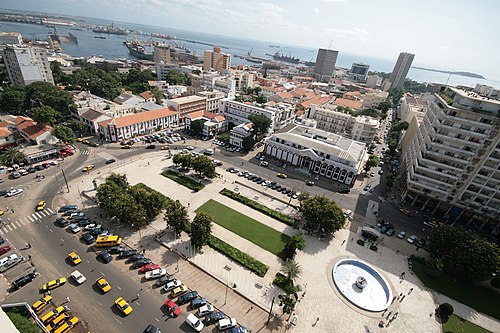
Dakar, the vibrant capital of Senegal, is located on the Cape Verde Peninsula along the Atlantic coast. It is one of the westernmost cities of the African mainland, serving as a crucial cultural and economic hub for the region. With a population of over 1 million residents, Dakar is known for its rich history, diverse culture, and dynamic atmosphere. The city’s origins date back to the 15th century when it was a modest fishing village. Over the centuries, it grew rapidly, especially during the colonial era when it became a significant port for trade and the transatlantic slave trade. Today, Dakar is a bustling metropolis that blends traditional African influences with contemporary urban life.
Dakar is characterized by its vibrant neighborhoods, such as the historic district of Gorée Island, a UNESCO World Heritage site known for its well-preserved colonial architecture and poignant history linked to the slave trade. The city is also famous for its lively markets, such as Sandaga Market, where vendors sell everything from fresh produce to textiles and crafts. Artistic expression flourishes in Dakar, with music playing a crucial role; the city is the birthplace of the internationally recognized musical genre, mbalax, which combines traditional Senegalese rhythms with global influences. Dakar also hosts the Dakar Biennale, one of the most significant contemporary art exhibitions in Africa, attracting artists and visitors from around the world. The city's cultural scene is enhanced by various museums, theaters, and festivals that celebrate Senegalese heritage and contemporary creativity.
Dakar's economy is primarily driven by services, commerce, and tourism, with the Port of Dakar being one of the largest in West Africa. The city serves as a central point for trade, connecting landlocked countries in the region to international markets. Dakar is also a hub for international organizations, reflecting its geopolitical significance within West Africa. The city's infrastructure includes a modern highway system, an international airport, and ongoing developments such as the new express train project aimed at improving connectivity. Dakar's climate is characterized by a tropical savanna climate, with a distinct dry season and wet season, influencing local agriculture and lifestyle. Despite challenges like urbanization and socioeconomic disparities, Dakar continues to be a vital center of culture, trade, and political activity in Senegal and beyond.
Facts about Dakar
- Dakar is the capital and largest city of Senegal, serving as the political, economic, and cultural hub of the country.
- The city is located on the Cape Verde Peninsula and is the westernmost point on the African mainland, making it a significant landmark for ocean navigation.
- Dakar is renowned for its vibrant music scene, particularly in genres like mbalax and Afrobeat, and has produced legendary musicians such as Youssou N'Dour.
- The city is home to the iconic African Renaissance Monument, which stands at 49 meters tall, making it the tallest statue in Africa.
- Dakar played a crucial role in the transatlantic slave trade as a significant port and has several memorials and museums, including the Museum of Black Civilizations.
- The Dakar Rally, an annual off-road race originally from Paris to Dakar, has become a symbol of endurance and adventure, although it now takes place in South America and the Middle East.
- The city hosts the Dakar Biennale, a major contemporary art event that showcases African and international artists, making it a cultural exchange hub.
- Dakar has a diverse population and is a melting pot of various ethnic groups, languages, and cultures, reflecting Senegal's multicultural heritage.
- The city is known for its bustling markets, such as Marché Sandaga and Marché Kermel, where locals and tourists can experience traditional Senegalese crafts, foods, and textiles.
- Dakar is home to several prestigious higher education institutions, including Cheikh Anta Diop University, which is one of the leading universities in Africa.