Damietta, Egypt
- 305,920 people
- 5 places to visit
- 31.4175, 31.8144
Places to Visit (5)
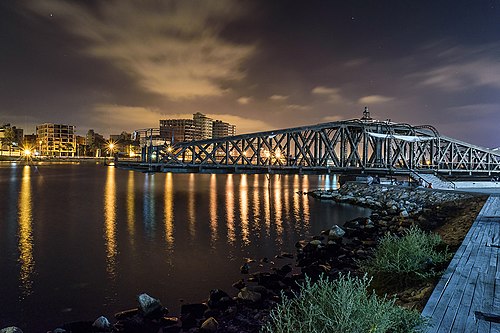
Damietta, a port city located in the northeastern part of Egypt, serves as the capital of the Damietta Governorate. Positioned on the banks of the Nile Delta, at the northern entrance to the Nile River, it lies approximately 200 kilometers north of Cairo and about 80 kilometers northeast of the historical city of Mansoura. Known for its rich agricultural hinterland, Damietta plays a crucial role in Egypt’s economy due to its strategic location and extensive agricultural production, particularly in rice, cotton, and various fruits and vegetables. The city’s port is vital for trade, providing access to both the Mediterranean Sea and regional markets, enhancing both exports and imports significantly.
The history of Damietta is marked by its significance as a key naval and commercial hub throughout the centuries. The city has witnessed numerous historical events, including battles during the Crusades, where it became notably famous for its pivotal role in the conflicts between Crusaders and Muslim forces. Damietta has developed a diverse cultural heritage, influenced by various civilizations, including the Pharaonic, Roman, and Islamic eras. Today, as a bustling urban center, it is known for its traditional crafts, especially furniture manufacturing and textile production, which contribute to its local economy. Additionally, Damietta’s cultural landscape is enriched by its archaeological sites, mosques, and vibrant markets, reflecting its long-standing history and serving as a testament to the city’s resilience and adaptability over the ages.
In modern times, Damietta has seen investments aimed at improving its infrastructure and enhancing its economic capabilities. The city has engaged in initiatives to boost tourism, showcasing its beautiful Mediterranean coastline, historical monuments, and natural attractions. As one of Egypt’s leading cities in skilled craftsmanship, Damietta has created a niche in both local and international markets with its handcrafted goods. The overall growth of manufacturing, agriculture, and trade continues to shape the region’s socioeconomic landscape, making Damietta a pivotal player in Egypt's ongoing development and a vibrant testament to the country’s rich historical tapestry.
Facts about Damietta
- Damietta is renowned for its production of high-quality furniture, making it a hub for the furniture industry in Egypt.
- The city is located at the meeting point of the Nile River and the Mediterranean Sea, giving it a strategic position for trade throughout history.
- Damietta is home to the historic Damietta Citadel, built during the Ayyubid era in the 12th century to protect against Crusader invasions.
- The city played a significant role in the Egyptian campaigns of Napoleon Bonaparte, particularly during the Battle of Damietta in 1799.
- Damietta has a rich cultural heritage, being known for unique crafts such as traditional pottery and textile weaving.
- The city is also famous for its seafood, particularly its fish markets that offer a variety of fresh catches from the Mediterranean.
- Damietta is considered a melting pot of cultures, having been influenced by various civilizations including the Phoenicians, Romans, and Ottomans.
- The annual Damietta International Film Festival celebrates cinema and showcases independent and mainstream films from around the world.
- The city hosts the Al-Azhar University branch, which is one of the most prestigious Islamic institutions in the world.
- Damietta has a vibrant agricultural sector, particularly known for its production of citrus fruits and olives due to its favorable climate.