Danvers MA, United States
- 26,493 people
- 17 places to visit
- 42.575, -70.9321
Places to Visit (17)
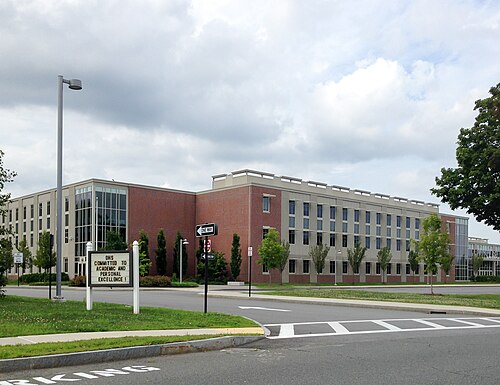
Danvers, Massachusetts, is a town located in Essex County, approximately 20 miles northeast of Boston. With a population of around 27,000 residents, it is known for its rich history, including its connection to the Salem witch trials of 1692. Originally a part of Salem, Danvers became its own entity in 1752, incorporating the name "Danvers." The area is characterized by its suburban atmosphere, combining both residential neighborhoods and a variety of commercial developments. Present-day Danvers features a mix of historical sites, parks, and recreational facilities that cater to its active community.
The town boasts several notable historical landmarks, such as the Danvers State Hospital, an abandoned mental health facility established in the 19th century that represents an important chapter in the history of American psychiatry. The town is also home to the Rebecca Nurse Homestead, a historical site dedicated to the memory of one of the women accused during the witch trials, serving as a reminder of the town's intertwined past with that dark chapter in American history. Danvers' economy has evolved over the years, shifting from agriculture and small-scale manufacturing to a more diverse array of businesses, including retail, healthcare, and technology sectors. Educational opportunities are bolstered by its proximity to institutions in nearby Boston and the local public school system, which is well-regarded.
Danvers is well-connected through major highways, making it a desirable location for commuters traveling to Boston or surrounding areas. The town is served by the Massachusetts Bay Transportation Authority (MBTA), providing access to public transit options. Outdoor enthusiasts can enjoy various parks and recreational areas, including the Danvers Rail Trail, which allows for walking, biking, and enjoying the natural scenery. With its unique blend of history, modern amenities, and community spirit, Danvers continues to be a vibrant place to live and work in Massachusetts.
Facts about Danvers
- Danvers, MA, was originally known as Salem Village, which is famously associated with the Salem witch trials of 1692, during which several residents were accused of witchcraft.
- The Danvers State Hospital, which opened in 1878, was one of the first mental health facilities in the United States, known for its remarkable architecture and its role in the evolution of psychiatric care.
- The town is home to the Danvers Rail Trail, a scenic path that follows the former railway route, showcasing the community's commitment to outdoor recreation and preserving history.
- In 1781, Danvers became the first town in Massachusetts to allow married women to keep their own property, marking a significant advancement for women's rights in the early United States.
- The Danvers historical society is dedicated to preserving the rich heritage of the town and operates the Danvers Museum, which features artifacts from various periods of the town's history.
- Danvers boasts the Endicott Park, originally established in the 1930s, which spans over 70 acres and includes various recreational facilities, including sports fields and walking trails.
- The town has a unique tradition of celebrating a 'Danvers Day' each year, fostering community spirit and promoting local history through events and activities.
- Danvers is known for the historic Great Pond, which is significant not only for its beauty but also as a site for educational programs focusing on environmental preservation.
- The Danvers Community YMCA plays a vital role in the town, providing various programs and activities that promote health, wellness, and community engagement.
- The town is part of the North Shore region of Massachusetts, which is renowned for its coastal beauty, rich maritime history, and vibrant arts scene, setting it apart from other towns inland.