Daqing, China
- 1,604,027 people
- 4 places to visit
- 46.5876, 125.1031
Places to Visit (4)
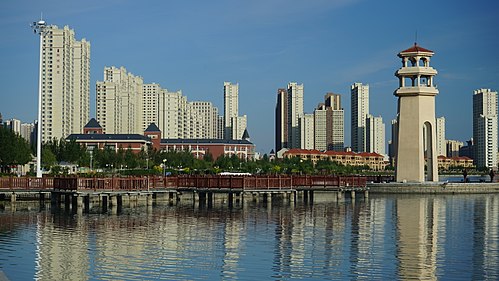
Daqing is a prominent city located in the Heilongjiang province of northeastern China. Established as a city in 1955, Daqing plays a significant role in China's oil industry, primarily due to the discovery of oil in the area in the 1950s. This pivotal finding led to the rapid development of the Daqing Oil Field, which became one of the largest and most productive oil fields in China. The city's economy is heavily reliant on petroleum production, but it has also diversified into sectors like agriculture, machinery, and technology, contributing to a balanced local economy.
With a population of over two million residents, Daqing has evolved from a small oil town into a modern city featuring urban infrastructure, parks, and cultural institutions. The city is characterized by its planned urban layout, with wide roads, public transportation systems, and various amenities catering to its residents. Daqing boasts several tourist attractions, including the Daqing Oilfield Exhibition Hall, which highlights the city’s industrial history, and the natural reserves that host wetland parks and lakes, fostering eco-tourism. As a result of its economic significance and cultural offerings, Daqing is viewed as an essential hub in northeastern China, illustrating the intersection of natural resources and urban development.
In addition to its industrial and cultural relevance, Daqing has cultivated a reputation for its educational institutions and research facilities. The city emphasizes the importance of technological advancement and environmental sustainability, reflecting broader national policies aimed at promoting innovation. Daqing’s strategic location, coupled with its investment in infrastructure and human capital, positions it as a critical player in the regional and national economy. The city continues to adapt and grow, embracing modernization while honoring its historical roots as a key site in China's industrial landscape.
Facts about Daqing
- Daqing is known as the 'Oil City' of China, being one of the country's major oil-producing regions since the discovery of oil in the Daqing Oilfield in 1959.
- The Daqing Oilfield was the largest oilfield in China and contributed significantly to the nation's energy independence and industrial growth during the mid-20th century.
- Daqing is home to the Daqing Oil Museum, which showcases the history of oil exploration and production in the region, making it a unique cultural and educational destination.
- The city was established in 1955, primarily as a base for oil extraction, marking it as a planned industrial city rather than a traditional settlement with historical roots.
- Daqing is notable for its vast green spaces and urban planning, which includes numerous parks and recreational areas designed to improve the quality of life for its residents.
- It hosts the annual Daqing International Oil and Gas Technology and Equipment Exhibition, attracting industry leaders and showcasing advancements in energy technology.
- Daqing is strategically located in Heilongjiang Province, near the borders of Russia, facilitating cross-border trade and cultural exchange.
- The city has developed a reputation for its educational institutions, particularly in engineering and technology related to petroleum and natural resources.
- Daqing is relatively less populated compared to other major cities in China, giving it a unique small-city atmosphere while still being economically significant.
- The Daqing area features ecological projects that focus on reforestation and environmental restoration, highlighting the city's commitment to sustainability alongside industrial growth.