Dar es Salaam, Tanzania
- 5,383,728 people
- 15 places to visit
- -6.8165, 39.2894
Places to Visit (15)
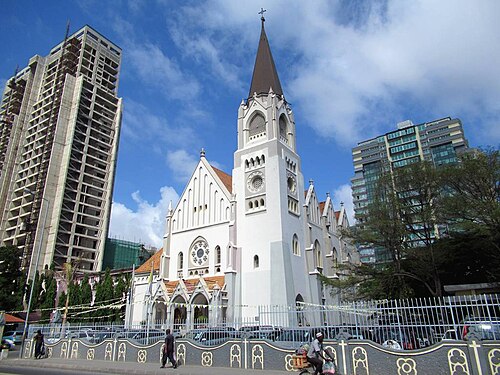
Dar es Salaam, the largest city in Tanzania, serves as a vital economic and cultural hub of the country. Located on the eastern coast along the Indian Ocean, it is the primary port city and a major gateway for trade and tourism. With a population estimated at over 6 million, Dar es Salaam features a diverse blend of cultures, languages, and traditions, reflecting both its historical significance and contemporary growth. The city's name translates to "Haven of Peace" in Arabic, a nod to its origins as a coastal trade center established in the 19th century by Sultan Seyyid Said of Oman, who sought to expand trade in the region.
Modern Dar es Salaam combines vibrant urban development with historical influences. The city's skyline is punctuated by a mix of modern skyscrapers and colonial-era buildings, including the historic Askari Monument and the National Museum. Notable neighborhoods, such as Oysterbay and the bustling Kariakoo market, highlight the economic vitality and local life. The city is also known for its cultural festivals, arts scene, and culinary diversity, showcasing influences from African, Arab, Indian, and European cuisines. Furthermore, Dar es Salaam serves as a growing center for education and health care in Tanzania, with institutions like the University of Dar es Salaam and various hospitals enhancing its role in national development.
Transportation in the city is facilitated by a network of roads, a railway system, and ferry services connecting the mainland to nearby islands, including Zanzibar. Despite facing challenges such as rapid urbanization, traffic congestion, and infrastructure development needs, Dar es Salaam continues to rise as a pivotal player in East Africa's economic landscape. Its strategic location, cultural richness, and ongoing investments in infrastructure position it as a city of promise and a key destination for travelers and businesses alike. As Tanzania's economic and cultural capital, Dar es Salaam exemplifies the dynamic interplay of tradition and modernity in a burgeoning urban environment.
Facts about Dar es Salaam
- Dar es Salaam is the largest city in Tanzania and serves as the country's economic hub, contributing significantly to the national GDP.
- The city was founded in the 19th century by the Sultan of Zanzibar, making it a relatively young city compared to others in Tanzania.
- Dar es Salaam is home to Tanzania's busiest port, which is vital for trade and commerce in the region, handling most of the country's import and export activities.
- The city features a blend of Tanzanian, Arab, and Indian cultures, evident in its architecture, cuisine, and festivals, distinguishing it from more rural areas.
- Dar es Salaam hosts the annual Saba Saba (Industry Day) celebration, which highlights the country's industrial development, attracting large crowds and participation.
- The National Museum of Tanzania, located in Dar es Salaam, is one of the largest museums in the country, showcasing the history and culture of Tanzania.
- The city is known for its vibrant nightlife, with numerous bars, clubs, and restaurants offering diverse entertainment options not commonly found in other Tanzanian cities.
- Dar es Salaam is located on the Swahili Coast and offers stunning beaches, like Coco Beach and Mbudya Island, popular for relaxation and tourism.
- The University of Dar es Salaam, founded in 1961, is the oldest university in Tanzania, playing a crucial role in higher education and research in the country.
- Dar es Salaam is a multicultural city, with a significant expatriate community, which adds to its diverse social fabric, differentiating it from many other towns in Tanzania.