Dar‘ā, Syria
- 97,969 people
- 2 places to visit
- 32.6266, 36.1035
Places to Visit (2)
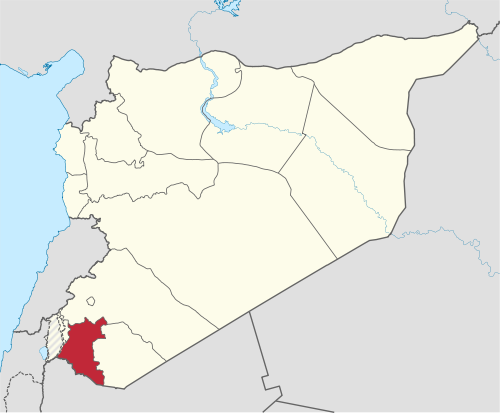
Dar‘ā, a city located in southern Syria near the Jordanian border, is renowned for its historical significance and strategic location. It serves as the capital of the Dar‘ā Governorate and is situated in the fertile Hawran region, which is characterized by its agricultural output, particularly crops like wheat and barley. The city has a rich history that dates back to ancient times, with archaeological evidence suggesting that it was settled as early as the 3rd millennium BCE. Dar‘ā's historical architecture includes notable structures such as the Omari Mosque, which is one of the oldest mosques in Syria and reflects the city’s Islamic heritage.
In modern times, Dar‘ā gained international attention during the Syrian civil unrest that began in 2011 when protests against the regime of Bashar al-Assad erupted in the city. Discontent with political repression, economic hardship, and lack of civil liberties fueled public demonstrations, leading to a violent crackdown by government forces. The events in Dar‘ā are often cited as the spark that ignited nationwide protests, contributing to the broader conflict in Syria that has resulted in significant casualties, displacement, and destruction across the country. Despite the turmoil, Dar‘ā has remained an important cultural and economic center, with ongoing efforts to restore and rebuild parts of the city since the peak of the violence. The legacy of resistance and the quest for political change remain a prominent aspect of Dar‘ā's identity in contemporary Syria.
Facts about Dar‘ā
- Dar‘ā is often referred to as the original birthplace of the Syrian Civil War, with protests beginning there in March 2011.
- The city has an extensive historical background, as it was a significant trade and cultural hub in the Roman Empire and features ancient ruins, including remnants of the Roman city of Dara.
- Dar‘ā is home to the Al-Omari Mosque, one of the oldest mosques in Syria, known for its stunning architecture and historical significance dating back to the early Islamic period.
- The city is located near the Golan Heights and shares a border with Jordan, making it strategically significant in various historical and political contexts.
- Dar‘ā has a unique blend of various cultural influences due to its position as a crossroads for trade routes in the Middle East throughout history.
- In ancient times, Dar‘ā served as a significant distribution center for agricultural products and has been known for its fertile lands, particularly for growing wheat and barley.
- The city is also known for its traditional Syrian architecture, with many houses featuring intricate designs and beautiful courtyards that reflect the local heritage.
- Dar‘ā played a critical role during the Arab Spring, where demands for political reform and democracy first erupted, leading to widespread protests across the nation.
- It is culturally celebrated for its folklore, music, and traditional crafts, which have been passed down through generations, distinguishing it from other Syrian cities.
- The Dar‘ā Governorate is also famous for its picturesque landscapes, including the nearby Mount Hermon and the Yarmouk River, contributing to the natural beauty of the region.