Dartford, United Kingdom
- 56,694 people
- 19 places to visit
- 51.4462, 0.2169
Places to Visit (19)
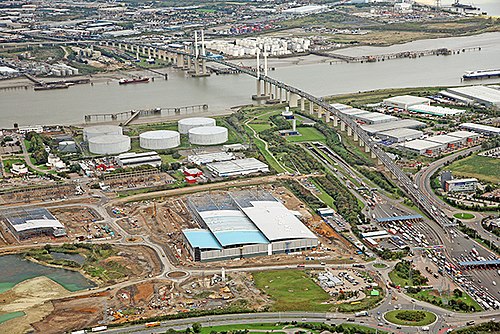
Dartford is a town located in Kent, England, situated approximately 20 miles east of Central London. It serves as the administrative center of the Dartford Borough, which includes surrounding areas such as Stone, Greenhithe, and Wilmington. Historically, Dartford has been a significant settlement since Roman times, evidenced by Roman roads and artifacts found in the area. The town gained prominence during the medieval period, largely due to its location near the River Dart, which allowed for trade and commerce. Dartford's growth accelerated in the 19th century with the arrival of the railway, connecting it to London and facilitating industrial expansion, which included the establishment of various factories and brickworks.
Today, Dartford is known for its blend of historical and modern attractions. The town center features a mix of shopping, dining, and entertainment options, while the historic Dartford Church, dating back to the 13th century, stands as a testament to the town's rich heritage. Green spaces such as Central Park offer recreational opportunities for residents and visitors alike. Dartford is also home to several key landmarks, including Dartford Crossing, which comprises the Dartford Tunnel and Dartford Bridge, allowing for vital road transport links across the River Thames. Education plays a significant role in the community, with numerous schools and colleges serving the area. The town's proximity to London continues to make it an attractive place for commuters, drawing in a diverse population and contributing to its dynamic character.
As Dartford has evolved, it has retained a unique identity that reflects both its historical roots and contemporary growth. The borough has focused on developing its infrastructure and community amenities, fostering a sense of belonging among residents. Dartford's annual events, such as the Dartford Festival and the Christmas market, showcase local culture and bring the community together. With ongoing regeneration projects and a commitment to preserving its historical assets, Dartford continues to be a vibrant and evolving town that balances its past with a forward-looking vision.
Facts about Dartford
- Dartford is home to the historic Dartford Crossing, which consists of two bridges and a tunnel that connects Kent with Essex across the River Thames, making it a vital transport route in the southeast of England.
- The town is known for its rich history dating back to the Roman era, with Roman artifacts found in the area and the remnants of a Roman road, highlighting its long-standing significance in transportation.
- Dartford has the unique distinction of being where the famous music venue, The Dartford Theatre, was located, which was known for hosting various notable performances and events from the 1960s onwards.
- The town is home to the Dartford Grammar School, established in 1576, which is one of the oldest schools in the country and has a long history of academic excellence and notable alumni.
- Dartford is closely associated with the famous British rock band The Rolling Stones, as Mick Jagger and Keith Richards met at Dartford Railway Station, marking the beginnings of their iconic partnership.
- The Dartford Warbler, a species of bird known for its unique song, was named after the area as it was first described in the nearby Dartford Heath, making it a part of the local ecology.
- Dartford hosts the annual Dartford Festival, a free community event that celebrates local culture with music, food, and various activities, distinguishing it as a vibrant part of the Kent social scene.
- The town features the iconic Central Park, which was originally opened in the Victorian era and is known for its beautiful gardens, play areas, and historical monuments.
- Dartford's historic market town status is preserved through its vibrant high street, which features a mix of modern shopping and traditional markets that have been a part of the community for centuries.
- Dartford holds historical significance for the British automotive industry, being home to the former headquarters of the Ford Motor Company in the UK, which played a major role in the region's economy.