Daugavpils, Latvia
- 111,564 people
- 17 places to visit
- 55.8826, 26.5465
Places to Visit (17)
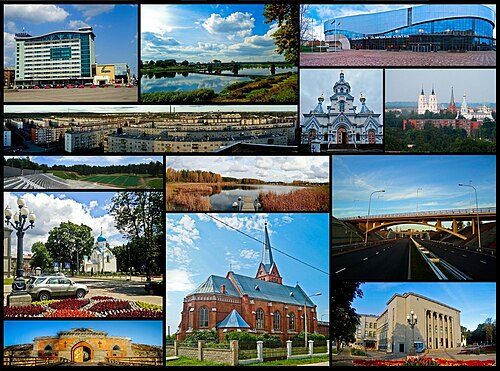
Daugavpils, located in southeastern Latvia, is the country’s second-largest city and serves as an important cultural and economic center. Situated at the confluence of the Daugava River and the River Dubna, the city lies approximately 230 kilometers from the capital, Riga. Daugavpils has a rich history that dates back to the 14th century, when it was initially established as a fortress. Over the years, it has evolved into a vibrant urban area with diverse cultural influences, reflecting its strategic location at the crossroads of various countries and civilizations. The city’s architecture showcases a mix of styles, influenced by periods under Swedish, Polish, and Russian rule, resulting in notable landmarks such as the Daugavpils Fortress, which is one of the largest fortifications in the Baltic region.
Today, Daugavpils is known for its multicultural population, which includes significant Latvian, Russian, and Polish communities. This diversity is highlighted through various cultural events and festivals, promoting a rich tapestry of traditions and languages. The city's economy is supported mainly by industries such as manufacturing, logistics, and trade, bolstered by its well-developed transportation infrastructure, including rail connections that link it to both local and international markets. Daugavpils is also recognized for its educational institutions, notably the Daugavpils University, which offers a wide range of programs and plays a vital role in regional development. Beyond its economic significance, the city is recognized for its natural surroundings, with parks and green spaces that enhance its quality of life, making Daugavpils an attractive destination for tourists seeking to explore its historical depth and cultural richness.
Facts about Daugavpils
- Daugavpils is the second-largest city in Latvia, known for its unique multicultural heritage and significant Russian-speaking population.
- The Daugavpils Fortress is one of the largest fortifications in the Baltic States, built in the 19th century, and serves as a historical landmark and cultural site.
- The city has a significant military history, having been a strategic point during various conflicts, including the Napoleonic Wars and World War I.
- Daugavpils is home to the Mark Rothko Art Centre, dedicated to the works of the famous abstract expressionist painter who was born in the nearby town of Daugavpils.
- The city features a rich assortment of 19th-century architecture, including beautifully preserved wooden buildings, which are rare in other Latvian cities.
- Daugavpils is known for its vibrant arts scene, hosting numerous festivals and events, such as the Daugavpils Jazz Festival, which attracts international artists.
- The Daugavpils Circus is one of the oldest circuses in Latvia, offering a unique blend of entertainment and local cultural performances.
- The city has a diverse range of ethnic communities, including Latvians, Russians, Poles, and Belarusians, contributing to its vibrant cultural landscape.
- Daugavpils has a unique ecological feature, with the Daugava River, which is vital for the local economy and recreational opportunities, flowing through the city.
- The city was historically significant as a part of the Livonian Order and later became a key trade hub between Eastern and Western Europe.